I came to the Algarve coast in Portugal ready for an adventure. The plan was simple: find good waves and have a good time. The energy of the coast hits you right away. The cliffs are huge, the Atlantic is powerful, and you can feel the excitement in the air. This is not a place for standing still. It is a place that calls you to get in the water and be a part of the action.
Every day was a new mission to find the best waves. We were a small crew, driving up and down the coast, music playing, boards strapped to the roof. The waves were perfect. They had enough power to be fun but were forgiving enough to let you try new things. The feeling of dropping into a clean wave and riding it all the way in is pure adrenaline. It’s a rush that never gets old.
The fun did not stop when we left the water. The days were full of energy, with everyone sharing stories of their best rides and funniest wipeouts. We were a group of people from all over, brought together by a shared love for surfing. We spent our evenings around a campfire, with live music and plans for the next day’s surf. The vibe was electric.
This trip was all about good people, good music, and great waves. It was a week of pure fun, pushing my limits in the water and making friends for life. The Algarve delivered exactly what I was looking for: an unforgettable adventure. It was a high-energy escape that left me feeling completely recharged.
There is a certain clarity that can only be found on the road. When you are focused on the simple act of driving, the noise of daily life seems to fade away. During a recent trip to Vancouver, I had the chance to spend a day with a classic Porsche 911 SC. The plan was simple: to find a quiet road and just drive. The forests of British Columbia are vast and silent, and as I settled into the driver’s seat, I felt like I was about to have a conversation with the past.
Modern cars are designed to be quiet and comfortable. They insulate you from the road, the engine, and the world outside. This car was different. It was an analog machine in a digital age, and it demanded my full attention. The steering wheel communicated every detail of the road surface. The sound of the air-cooled engine behind me was a constant, mechanical presence. Every gear change was a satisfying, physical act. This was the conversation. The car wasn’t speaking in words, but in feelings, vibrations, and sounds.
In this dialogue, the car told a story about a different era of design. There were no screens, no complicated menus, just a set of simple, functional gauges. Every button and switch had a clear purpose. It was a design philosophy that valued the connection between the driver and the machine above all else. As a product designer, I found this incredibly inspiring. The car was a reminder that the most rewarding experiences are often the ones that are the most direct and unfiltered.
The road itself was a silent partner in this conversation. It curved and climbed through a forest of giant, moss-covered trees. The tall pines created a canopy that filtered the afternoon light, casting long shadows on the pavement. Driving through this immense, quiet landscape felt like a form of meditation. The car was a small, mechanical object moving through a vast, natural world. The solitude of the lonely road was essential. It created the space for this reflective experience to unfold.
By the end of the day, I felt like I understood something new. The conversation I had with this classic car was about more than just driving. It was about the value of simplicity, the importance of being present, and the joy of interacting with something that is beautifully and honestly designed. It was a waypoint that offered a new perspective. It left me with a sense of clarity that only comes from disconnecting completely from the digital world.
Choosing the right caterer is one of the most impactful decisions you will make for your event. They do much more than just provide the food. They manage a critical part of your guests’ experience, from service to timing. Finding the right fit is about finding a reliable partner who can execute your vision.
After planning countless events, I have learned that a successful catering experience comes from a clear and organized selection process. This guide is designed to walk you through the practical steps I take to find the perfect catering team, ensuring there are no surprises on the day of the event.
Do your homework first
Before you even contact a single caterer, you need to have your event details sorted. This means knowing your budget, estimated guest count, venue, and the overall style of your event. Are you looking for a formal seated dinner, a casual buffet, or trendy food stations? This information is essential for getting an accurate and useful proposal.
With these details in hand, you can begin your research. Look for caterers who have positive reviews and experience with events similar to yours. Ask your venue for their list of preferred partners, as these caterers will already be familiar with the space and its rules. Your goal is to create a shortlist of three to five promising candidates to move forward with.
The proposal and the tasting
When you request proposals, make sure you provide each caterer with the same detailed information. This will allow you to compare their offers fairly. Do not just look at the bottom-line price; check carefully to see what is included, such as staffing, rentals, taxes, and gratuity. A cheaper quote might end up costing more if it leaves out key services.
Once you have reviewed the proposals, the tasting is your next crucial step. This is your chance to assess the quality and presentation of the food firsthand. But it is also an important interview. Pay attention to their professionalism, how they answer your questions, and their willingness to accommodate dietary needs or special requests. This meeting will tell you everything you need to know about the kind of partner they will be.
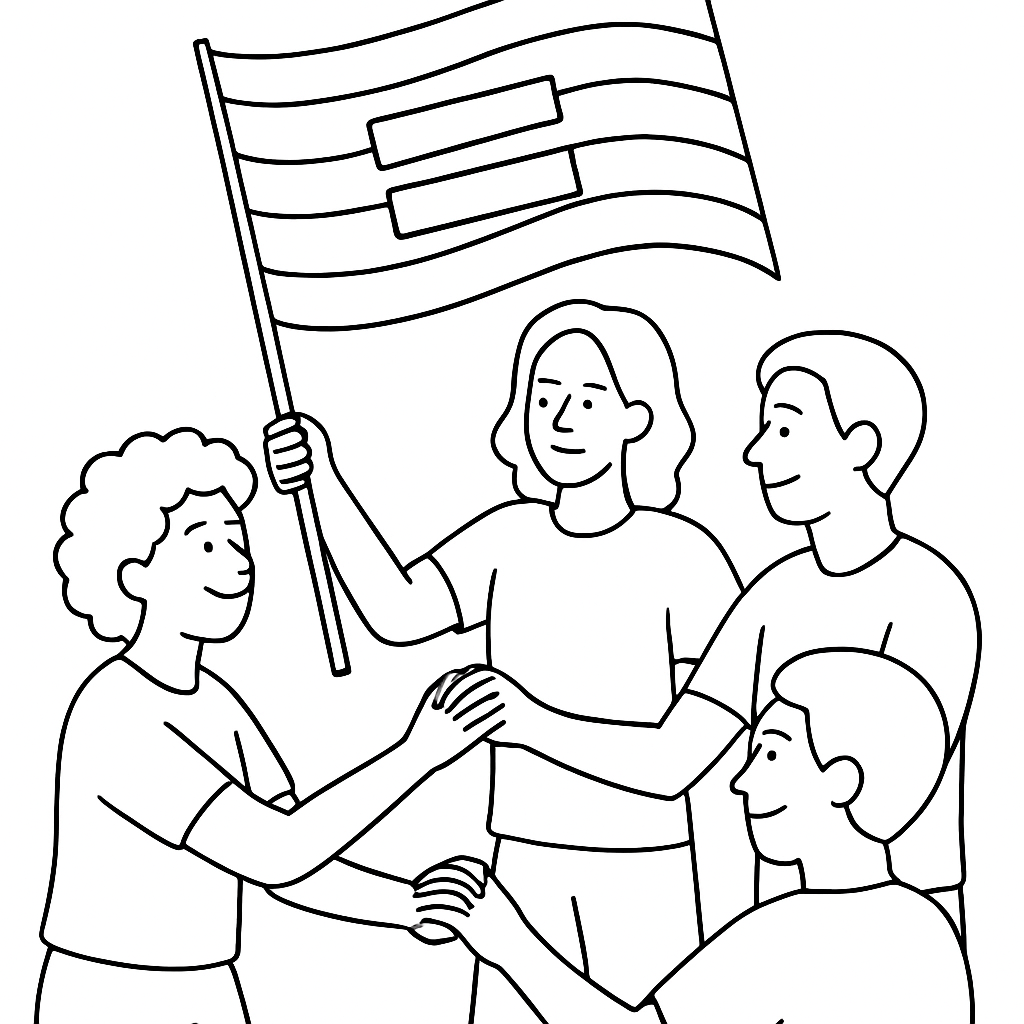
Freiwilligenarbeit wird oft als einfacher Austausch dargestellt: Zeit geben, Hilfe erhalten. In Wirklichkeit ist sie jedoch viel mehr als das. Sie ist einer der wenigen Bereiche, in denen individuelle Motivation auf gesellschaftlichen Bedarf trifft. Wo Menschen nicht nur Teil der Gesellschaft sind, sondern aktiv mitgestalten.
Wenn Freiwillige und Organisationen auf sinnvolle Weise zusammenfinden, werden Gemeinschaften widerstandsfähiger. Menschen fühlen sich weniger isoliert, mehr gesehen und eher in der Lage, etwas Wertvolles beizutragen. Organisationen gewinnen nicht nur Unterstützung, sondern auch neue Perspektiven, Vielfalt und frische Energie. Diese Verbindungen schaffen soziales Gefuege – ein Gefüge, das trägt, wenn Systeme unter Druck geraten.
Und doch ist Freiwilligenarbeit erstaunlich schwer zugänglich. Viele Menschen möchten sich engagieren, wissen aber nicht, wo sie anfangen sollen. Sie sorgen sich um Zeit, Verbindlichkeit, Relevanz oder darum, ob sie „qualifiziert genug“ sind. Gleichzeitig haben Organisationen oft Schwierigkeiten, Menschen zu erreichen, die wirklich zu ihrer Mission, ihren Werten und ihren Bedürfnissen passen. Das Ergebnis ist kein Mangel an Bereitschaft, sondern ein Mangel an Verbindung.
Diese Lücke hat Folgen. Sie macht gesellschaftliches Engagement zu etwas, das fern oder überfordernd wirkt. Sie verstärkt die Vorstellung, dass Wirkung nur wenigen vorbehalten ist, statt etwas zu sein, an dem viele teilhaben können. Und sie lässt sowohl Freiwillige als auch Organisationen unter ihrem Potenzial bleiben, trotz ihrer gemeinsamen Ausrichtung.
Aus gesellschaftlicher Sicht ist Freiwilligenarbeit einer der stärksten Faktoren für Vertrauen und Zugehörigkeit. Sie ermöglicht es Menschen, aus ihren gewohnten Rollen herauszutreten und sich ueber einen gemeinsamen Zweck zu begegnen. Besonders für marginalisierte Gemeinschaften kann freiwilliges Engagement eine Form von Sichtbarkeit, Selbstwirksamkeit und gegenseitiger Fürsorge sein. Es macht abstrakte Werte wie Solidaritaet und Inklusion erfahrbar.
Was dabei oft im Weg steht, ist nicht fehlende Motivation, sondern fehlende Infrastruktur. Die Werkzeuge, mit denen Menschen mit Engagementmöglichkeiten verbunden werden, spiegeln selten wider, wie Menschen tatsächlich leben. Zeit ist begrenzt. Energie schwankt. Werte spielen eine Rolle. Menschen möchten helfen auf eine Weise, die stimmig, nachhaltig und menschlich ist.
Ich denke viel darüber nach, was es bedeuten würde, diese Hürden zu senken. Freiwilligenarbeit weniger wie eine Verpflichtung wirken zu lassen und mehr wie eine Einladung. Verbindungen zu schaffen, die sowohl die Bedürfnisse von Organisationen als auch die Lebensrealitäten der Menschen respektieren, die sie unterstützen.
Ich arbeite derzeit an etwas, das sich leise in diese Richtung bewegt. Es ist ein früher Versuch, neu zu denken, wie Freiwillige und Organisationen zueinander finden können – nicht indem Engagement eingefordert wird, sondern indem Verbindung einfacher, klarer und inklusiver wird. Mehr dazu folgt bald.
Für den Moment ist dies vor allem eine Anerkennung dessen, warum die Verbindung selbst so wichtig ist. Denn wenn Menschen den richtigen Ort finden, um sich einzubringen, funktionieren Gemeinschaften nicht nur besser. Sie fühlen sich lebendiger an.
The search for a venue is often the true beginning of the event planning process. The space you choose acts as the canvas for your entire event, making a powerful first impression on your guests. It dictates the atmosphere, influences your decor choices, and has a major impact on your budget and the overall experience.
Finding the right one requires a blend of clear-headed logistics and creative vision. You need a space that not only works on paper but also has a feeling that aligns with your goals for the occasion. The process can seem daunting, so this guide breaks it down into practical steps to help you find a venue that is a perfect match.
Functionality must come first
Before you get carried away by a beautiful space, it is essential to confirm the practical details that will make or break your event. Start with the absolute non-negotiables: your budget, estimated guest count, and preferred date. A venue must meet these three criteria before you even consider a site visit, as it saves you from wasting time on options that are not viable.
Next, think carefully about the guest experience from start to finish. Is the venue easy to find and get to? Does it have sufficient parking or convenient access to public transport? You should also ask for a detailed list of what is included in the rental fee. Understanding if basics like tables, chairs, security, and cleaning are covered will help you compare costs accurately and avoid hidden expenses.
Let your vision guide you
Once the practicalities are sorted, you can focus on the creative fit. The venue’s style should align with the story you want to tell. A modern, minimalist gallery creates a very different mood than a warm, rustic barn or a grand, historic ballroom. The architecture and interior design should enhance your theme, not compete with it, creating a cohesive and immersive environment for your guests.
During a walkthrough, imagine the flow of your event from a guest’s perspective. Where will they arrive and check in? Are there logical, comfortable areas for them to mingle? A good layout is crucial for a comfortable and seamless experience. Finally, always ask for a complete list of rules and restrictions. Knowing the policies on outside vendors, decor, and noise levels upfront ensures the venue can truly accommodate your unique vision.
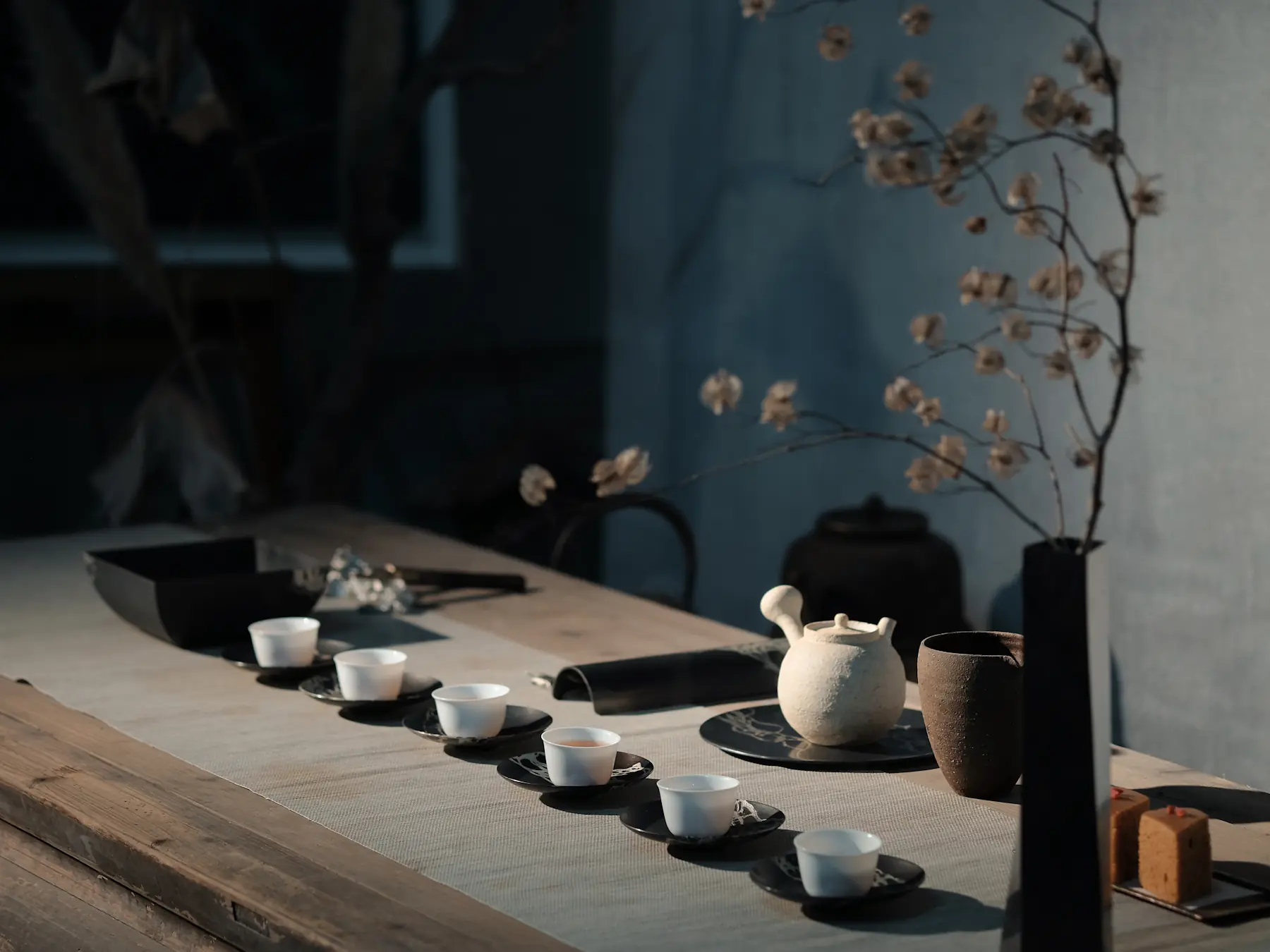
My mind often feels like a busy room with too many conversations happening at once. To find a sense of calm, I have a simple ritual. I make a cup of tea, find a quiet corner, and put on a specific kind of music. It is a way for me to turn down the volume on my own thoughts and create a space just for myself, even if only for a little while. This practice has become an important part of my day.
Recently, I found this playlist, and it has become the perfect soundtrack for these quiet moments. It is called “Japanese Garden,” but it is not what you might expect. The songs are from artists all over the world, not just Japan. What ties them together is a shared feeling. The music is gentle and has a sense of space that reminds me of the harmony and stillness I have felt in actual Japanese gardens. It is music that invites you to be still and listen.
This is the kind of music that works as a companion to simple, focused activities. It is perfect for reading, sketching, or just sitting with a cup of tea. The experience reminds me of the quiet stillness of a tea ceremony I attended in Kyoto. The act of preparing tea is its own small ceremony, a moment to slow down and focus on the details. This music complements that feeling perfectly, adding another layer of calm without being distracting, helping to create a truly peaceful atmosphere.
I wanted to share this collection of songs with you because it has been such a helpful discovery for me. It is a tool I use to find a bit of peace and clarity. If you are looking for something to help you focus, relax, or just find a quiet moment for reflection, I hope you will give it a listen. Press play and see if it helps you find your own peaceful space.
When we think back on our most cherished gatherings, what we remember is the feeling of being together. We recall the shared laughter, the easy conversations, and the simple joy of true connection. As a planner, my goal is to create the perfect conditions for these moments to happen naturally.
A gathering is much more than a schedule and a guest list; it is a unique opportunity to bring people closer. Whether it is a corporate retreat or a personal celebration, the magic lies in making everyone feel seen, comfortable, and part of something special. It is about intentionally designing an experience that fosters warmth and genuine interaction.
Make a thoughtful first impression
The entire feeling of a gathering is established the moment your guests arrive. A warm and personal welcome can instantly make someone feel at ease. This can be as simple as having a friendly face to greet them, clear signage that guides them, or offering a welcome drink. These small gestures communicate care and set a relaxed tone right from the very beginning.
Think about the initial flow of your gathering. Instead of having guests walk into a large, empty room, you should create a more intimate starting point. A designated welcome area with soft music and comfortable seating encourages people to settle in and begin mingling naturally. This gentle start helps ease any social anxiety and promotes a more relaxed atmosphere.
Encourage organic interaction
The best connections are never forced. Instead of relying on structured icebreakers, I prefer to build opportunities for interaction directly into the design of the gathering. This can be as simple as setting up a few lawn games for an outdoor party or placing a collaborative art piece in a central location for guests to contribute to.
Shared experiences are also powerful tools for building connection. Consider interactive food or drink stations, like a make-your-own cocktail bar or a dessert decorating table. These elements provide a fun, shared activity that sparks conversation and gives guests a natural reason to engage with one another. They create small moments of discovery that can lead to more meaningful connections.
When you travel, you learn to expect a certain rhythm. You arrive in a new place, you observe, and you try to understand the local customs. But in Georgia, I found something that I did not expect. It was a kindness that didn’t need words. From the moment I arrived, people were open and giving in a way that felt completely natural.
This generosity showed up in small moments. A shopkeeper would offer a piece of fruit. A stranger on the street would walk me to my destination instead of just pointing the way. At dinner, my hosts would fill my plate again and again, insisting I eat more. Each time, there was no expectation for something in return. It was simply a genuine gift, offered from the heart.
This spirit is part of the country itself. It is in the busy markets of Tbilisi and the quiet streets of smaller towns. It is a language of hospitality that everyone seems to understand. It connects people, both locals and visitors, in a very simple and human way that feels truly welcoming.
Seeing this every day changed how I traveled. It made me slow down and appreciate the interactions I was having. In Batumi, I walked along the Black Sea and felt a real sense of peace. The city was beautiful, but the warmth of the people was what made it feel special. It was a reminder that connection is what makes a place truly memorable.
The generosity I found in Georgia is something I will carry with me. It was a quiet, constant presence that made my journey feel less like a trip and more like I was a welcome guest. It’s a powerful reminder that the best parts of travel are often the simple human moments you share along the way.
Über Medikamente zu schreiben fühlt sich immer noch verletzlich an. Nicht, weil das Thema medizinisch besonders kontrovers wäre, sondern weil es etwas sehr Persönliches berührt: die Vorstellung, dass Unterstützung zu brauchen irgendwie ein persönliches Versagen sein könnte.
Ich möchte das klar und verantwortungsvoll festhalten: Ich bin kein Arzt, kein Psychiater und keine medizinische Fachperson. Das ist keine medizinische Beratung. Was folgt, ist ausschliesslich meine persönliche Erfahrung, entstanden in Begleitung von medizinischen Fachpersonen.
Mein Weg zur Medikation war nicht geradlinig. Bevor ich etwas gefunden habe, das mir hilft, habe ich Ritalin ausprobiert, verschiedene Formen von Methylphenidat und weitere Optionen. Jede neue Medikation brachte Hoffnung mit sich, manchmal auch Neugier, oft aber auch Ernüchterung . Manche Mittel halfen bei der Konzentration, machten mich emotional aber flach. Andere aktivierten meinen Körper, während sich mein Kopf seltsam abgekoppelt anfühlte. Keine dieser Erfahrungen war grundsätzlich falsch. Sie waren einfach nicht passend für mich.
Aktuell nehme ich Elvanse, 50 mg. Diese Zahl aufzuschreiben fühlt sich erstaunlich intim an, weil Zahlen schnell bewertet werden. Deshalb auch hier ganz klar: Das ist keine Empfehlung, sondern nur ein Teil meiner Geschichte. Elvanse hat mein ADHS nicht verschwinden lassen. Ich bin immer noch ablenkbar, überfordert und manchmal erschöpft. Was sich verändert hat, ist etwas Feineres. Die Reibung wurde weniger. Dinge zu beginnen fühlt sich nicht mehr an wie gegen eine unsichtbare Wand zu drücken. Meine Gedanken sind nicht langsam geworden, aber nutzbarer.
Zusätzlich zu Elvanse nehme ich auch Wellbutrin. Nicht, um produktiver zu sein oder dauerhaft glücklich zu funktionieren, sondern um mein allgemeines Wohlbefinden zu stabilisieren. Für mich unterstützt es meine emotionale Grundlinie. Es nimmt etwas von den scharfen Kanten, die den Alltag früher schwerer gemacht haben, als er sein müsste. Diese Kombination funktioniert für mich im Moment. Das macht sie weder universell noch endgültig.
Eine der wichtigsten Erkenntnisse für mich war: Medikation erzeugt keine Motivation. Sie schafft Zugang. Zugang zu Fokus, zu Durchhaltevermögen, zu Wahlmöglichkeiten. Ich brauche weiterhin Struktur, Pausen, Grenzen und Mitgefühl mit mir selbst. Medikamente haben diese Dinge nicht ersetzt. Sie haben sie erst möglich gemacht.
In diesem Prozess steckt auch Trauer. Trauer über die Jahre, in denen alles so viel schwerer war. Trauer über die Zeit, in der ich meine Schwierigkeiten als moralisches Versagen verstanden habe und nicht als neurologische Realität. Gleichzeitig ist da auch Erleichterung. Die Erleichterung zu begreifen, dass Unterstützung zu brauchen nichts über meinen Wert aussagt.
Und trotzdem dürfen Medikamente selten neutral sein. ADHS-Medikamente gelten oft als Schummeln. Antidepressiva als Zeichen von Schwäche. Beides trägt eine merkwürdige moralische Last. Diese zeigt sich oft in Form von vermeintlicher Sorge: „Bist du sicher, dass du das brauchst?“ „Hast du schon versucht, dich einfach mehr zusammenzureissen?“ „Aber du wirkst doch ganz normal.“ Diese Fragen klingen fürsorglich, transportieren aber unterschwellig Zweifel und Misstrauen.
Was mich besonders stört, ist wie stark Medikamente nach Leistung bewertet werden. ADHS-Medikation wird akzeptiert, wenn sie Produktivität steigert. Antidepressiva werden toleriert, wenn sie jemanden für andere angenehmer machen. Selten geht es um Nachhaltigkeit, Würde oder Lebensqualität.
Bei Brillen, Hörgeräten oder Insulin stellen wir diese Fragen nicht. Niemensch muss beweisen, dass er genug leidet, um Unterstützung zu verdienen, wenn der Bedarf sichtbar ist. Beim Gehirn hingegen wird Hilfe schnell zur Rechtfertigung.
Medikation ist kein Ersatz für eine Persönlichkeit. Sie nimmt niemandem Tiefe oder Komplexität. Sie löst nicht alles. Sie entfernt lediglich einige Hindernisse. Für manche Menschen ist genau das lebensverändernd. Für andere überwiegen die Nebenwirkungen. Beides ist legitim.
Für mich sind Elvanse und Wellbutrin Teil eines grösseren Systems: Therapie, selbst entwickelte Werkzeuge, bewusste Pausen, kreative Arbeit und das Lernen, meine Grenzen ernst zu nehmen. Medikamente haben mir kein neues Ich gegeben. Sie haben mir etwas mehr Raum in dem Ich verschafft, das schon da war.
Und manchmal geht es bei diesem Raum nicht darum, besser zu werden. Sondern darum, endlich wieder atmen zu können.
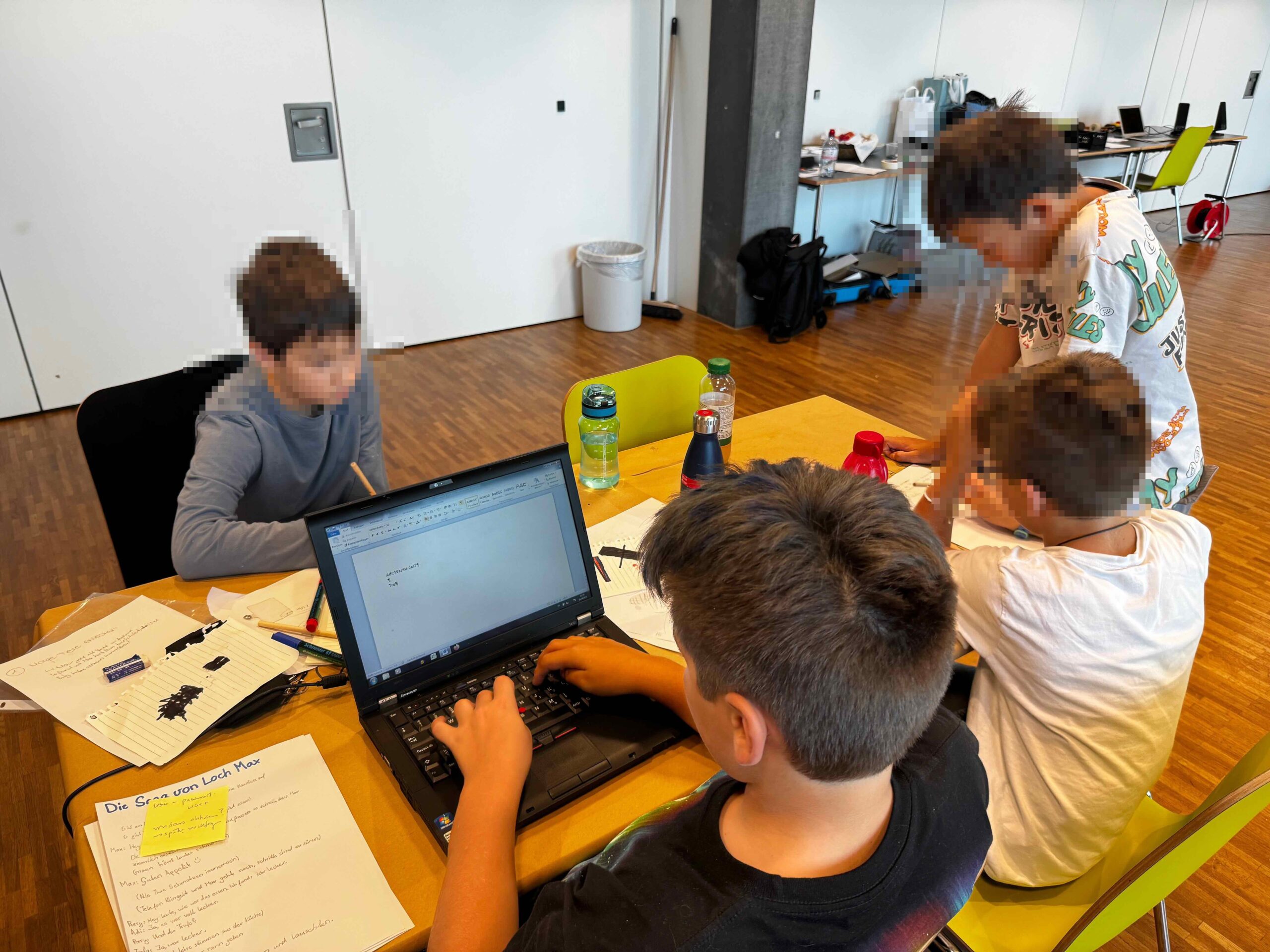
Das Haus der Religionen – Dialog der Kulturen und die Radioschule klipp+klang haben in den Herbstferien einen dreitägigen Hörspiel-Workshop durchgeführt. In diesem Workshop hat eine Gruppe kreativer Kinder und Jugendlicher ihre eigenen Hörspiele geschaffen. Dabei haben sie alles selber gemacht: von der ersten inhaltlichen Idee über die Dialoge und Geräusche stammt alles von ihnen. Sie sind selber auch die Sprecher:innen in ihren Hörspielen. Die Hörspiele wurden live vor Publikum im Haus der Religionen aufgenommen. Viel Spass mit der Hörspielsendung!
An zwei Tagen haben 8 Kinder aus der Region Langnau eine Radiosendung produziert. Von der Themenfindung über die Moderation, die Interviews und das Schneiden haben die Kinder alles selber gemacht. Herausgekommen ist eine Sendung mit Beiträgen zu Krieg, Smartphones und der Umwelt – untermalt mit toller Musik und noch tolleren Moderationen.