I did not get the Ultrahuman Air Ring because I wanted more data. I already see enough numbers every day. What I wanted was something calm. Something that helps me understand my body without stressing me.
The ring fits into my life very easily. It does not buzz, vibrate or interrupt me. I wear it, forget about it, and let it do its thing. That alone makes a big difference to me.
What I like most about the Ultrahuman Air Ring is how it shows information. It does not tell me what to do. It does not push me to be better or more productive. It simply shows patterns. How I slept. How my body recovered. When I might have been more stressed. I look at the data later, when I have time and space for it.
This is especially helpful for me because I am neurodivergent. When a device gives live feedback, it often creates pressure. I start to worry or try to fix things in the moment. With the ring, I can look back and understand my day instead of judging it.
The ring also helps me be kinder to myself. When I feel tired or slow, I can see that my sleep was not great or that my body needed more rest. That makes it easier to accept low-energy days instead of fighting them.
I also like that it is a ring and not a watch. It feels more private. Less visible. I do not feel like I am showing data on my body to the world. It just sits there quietly and blends into my day.
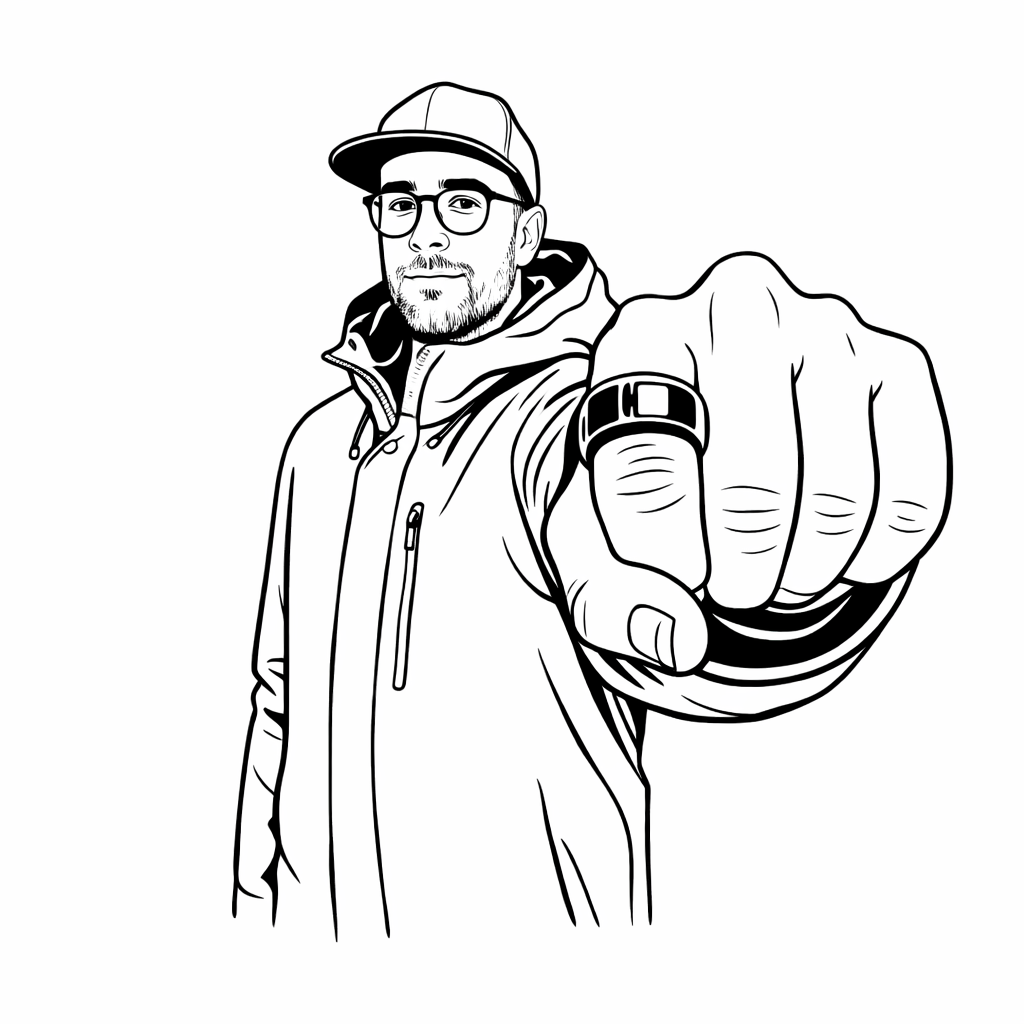
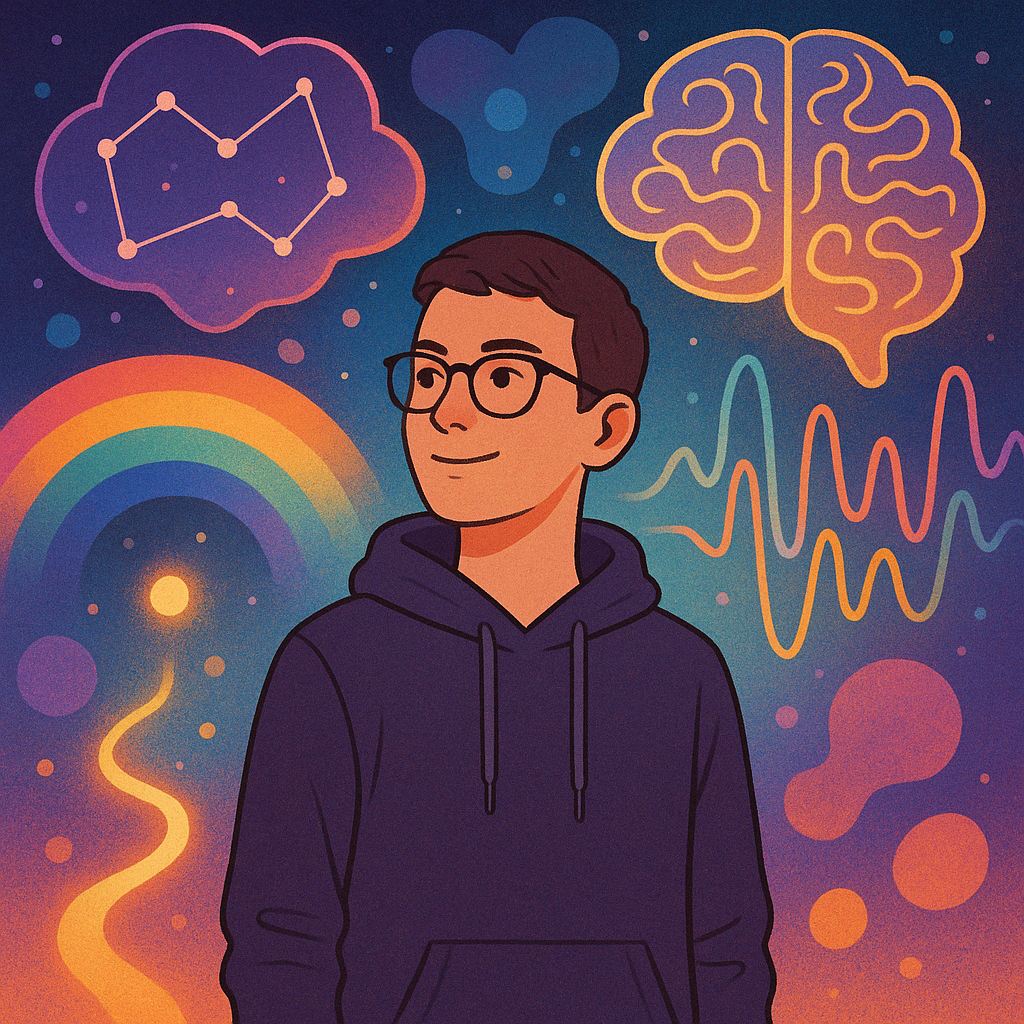
Just because I like how this AI -Graphic turned out 🤪
I do not use the Ultrahuman Air Ring to get perfect scores. I use it to notice patterns and to better understand myself. It helps me listen to my body instead of ignoring it.
For me, good technology is calm technology. It supports me without taking over my attention. The Ultrahuman Air Ring does exactly that, and that is why I like it.
Volunteering is often framed as a simple exchange: time given, help received. But in reality, it is something much deeper. It is one of the few spaces where individual intention meets collective need. Where people do not just participate in society, but actively shape it.
When volunteers and organisations connect in meaningful ways, communities become more resilient. People feel less isolated, more seen, more capable of contributing something valuable. Organisations gain not only support, but perspective, diversity and renewed energy. These connections create social fabric — the kind that holds when systems are under pressure.
Yet despite this importance, volunteering is surprisingly hard to access. Many people want to help but do not know where to start. They worry about time, commitment, relevance or whether they are “qualified enough.” At the same time, organisations struggle to reach people who would genuinely fit their mission, values and needs. The result is not a lack of willingness, but a lack of connection.
This disconnect has consequences. It turns civic engagement into something that feels distant or overwhelming. It reinforces the idea that impact is reserved for a few, rather than something many can participate in. And it leaves both volunteers and organisations underutilised, despite their shared potential.
From a social perspective, volunteering is one of the strongest builders of trust and belonging. It allows people to step outside their usual roles and meet others through shared purpose. Especially for marginalised communities, volunteering can be a form of visibility, empowerment and mutual care. It transforms abstract values like solidarity and inclusion into lived experience.
What often stands in the way is not motivation, but infrastructure. The tools we use to connect people to causes rarely reflect how people actually live. Time is limited. Energy fluctuates. Values matter. People want to help in ways that feel aligned, sustainable and human.
I have been thinking a lot about what it would mean to lower that barrier. To make volunteering feel less like an obligation and more like an invitation. To create connections that respect both the needs of organisations and the realities of the people who support them.
I am currently working on something that moves quietly in that direction. It is an early attempt to rethink how volunteers and organisations find each other — not by pushing participation, but by making connection easier, clearer and more inclusive. There will be more to share soon.
For now, this is simply an acknowledgement of why the connection itself matters. Because when people find the right place to contribute, communities do not just function better. They feel more alive.
I started walking more intentionally when I realised that thinking does not happen best when I am still. Sitting at a desk, trying to force clarity, often leads me in circles. Movement, on the other hand, seems to loosen something. Not in a dramatic, inspirational way, but quietly and reliably.
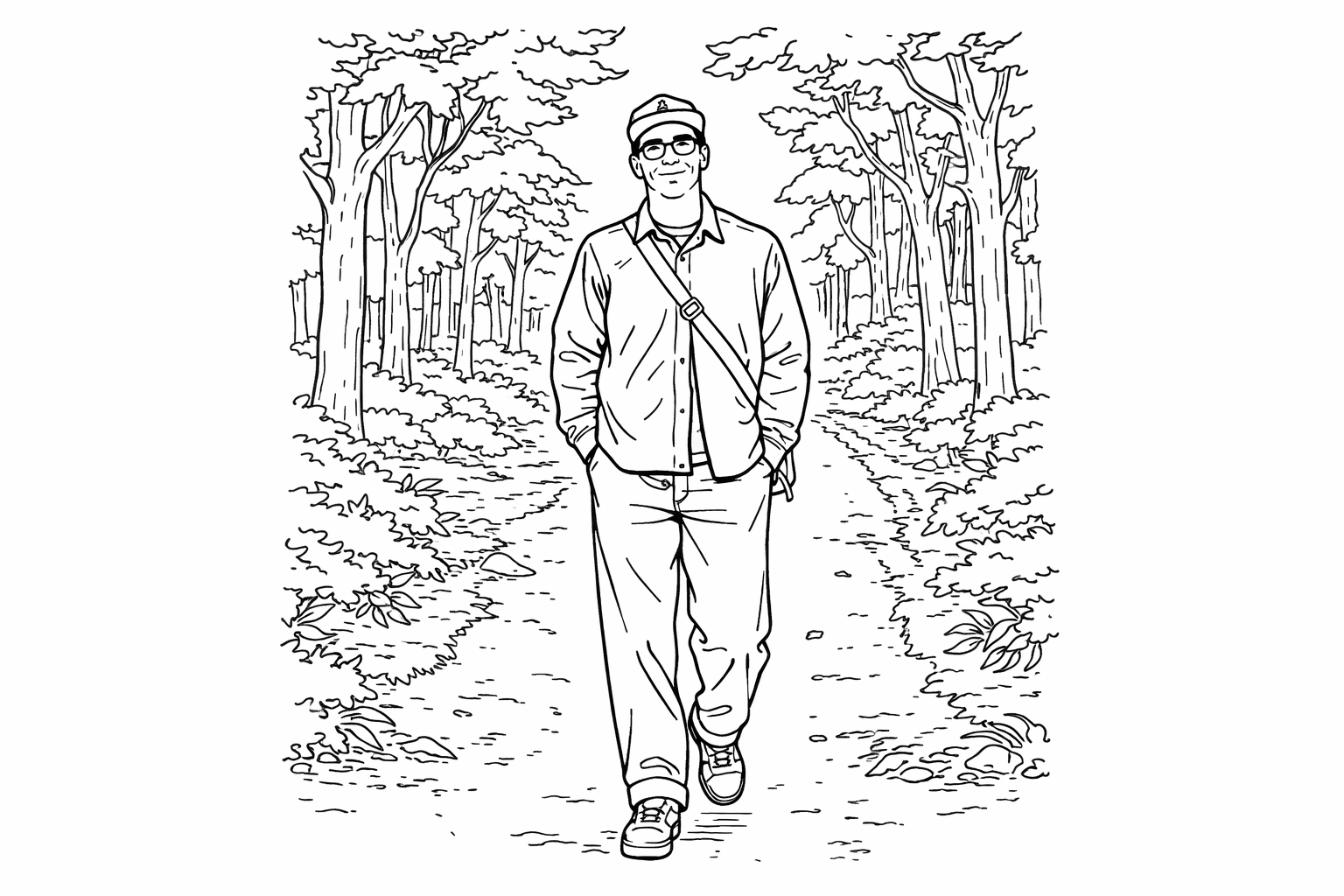
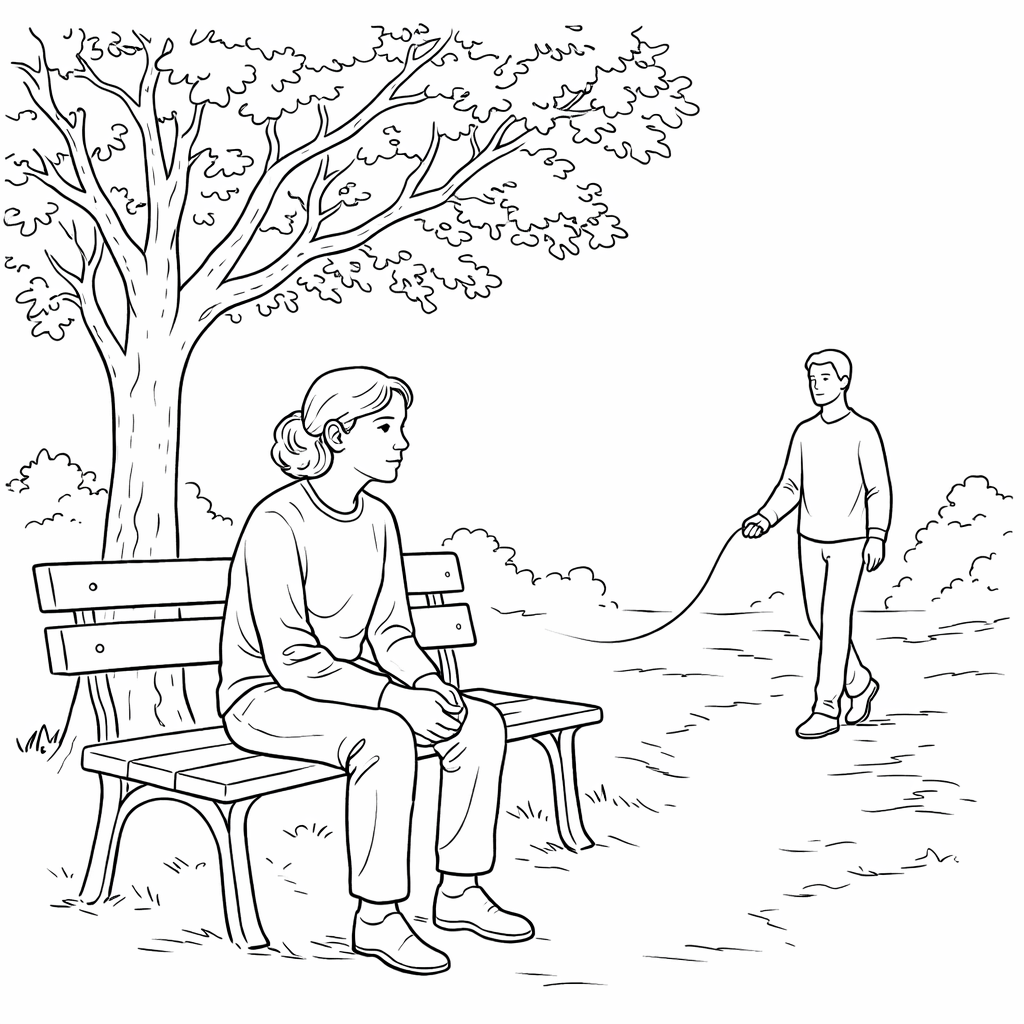
Once a week, I try to take a walk with my husband. There is no fixed route and no strict purpose. Sometimes we talk. Sometimes we walk in near silence, side by side, letting thoughts come and go. What matters is not the distance, but the rhythm. Walking creates a shared tempo, and that tempo does something to the nervous system.
From a cognitive perspective, movement and thinking are deeply connected. Our brains evolved in motion, not in chairs. Walking activates bilateral stimulation, gently engaging both sides of the body and the brain. This kind of movement supports regulation, especially for people whose thoughts tend to scatter or accelerate under pressure. For me, walking seems to organise attention without demanding it.
What changes when I walk is not the content of my thoughts, but their behaviour. Problems stop feeling urgent and start feeling sortable. Ideas appear without being summoned. Conversations unfold more naturally because the body is already doing something repetitive and grounding. There is less pressure to perform clarity and more space for it to emerge.
Walking together adds another layer. Co-regulation is a concept often discussed in psychology and pedagogy: the idea that our nervous systems stabilise through the presence of others. Walking next to my husband, rather than facing each other across a table, removes intensity. There is no eye contact to maintain, no conversational demand to fill silence. Connection happens in parallel, not in confrontation.
This weekly walk has become a form of maintenance. Not a solution, not a breakthrough ritual, but a small act of care for my cognitive and emotional system. It helps me notice when I am overloaded, when my thinking has become rigid, when I need to slow down rather than push through.
In a culture that treats movement as exercise and thinking as something that happens only at desks, walking feels almost subversive. It reminds me that regulation does not always require effort. Sometimes it requires permission to move.
I do not walk to be productive. I walk to stay connected — to my thoughts, to my body, and to the person next to me. And week by week, that seems to be enough.
Writing about medication still feels exposed. Not because it is controversial in a medical sense, but because it touches something deeply personal: the idea that needing support somehow reflects a personal failure.
I want to start clearly and responsibly. I am not a doctor, not a psychiatrist and not a medical professional. This is not medical advice. What follows is simply my lived experience, shaped together with healthcare professionals.
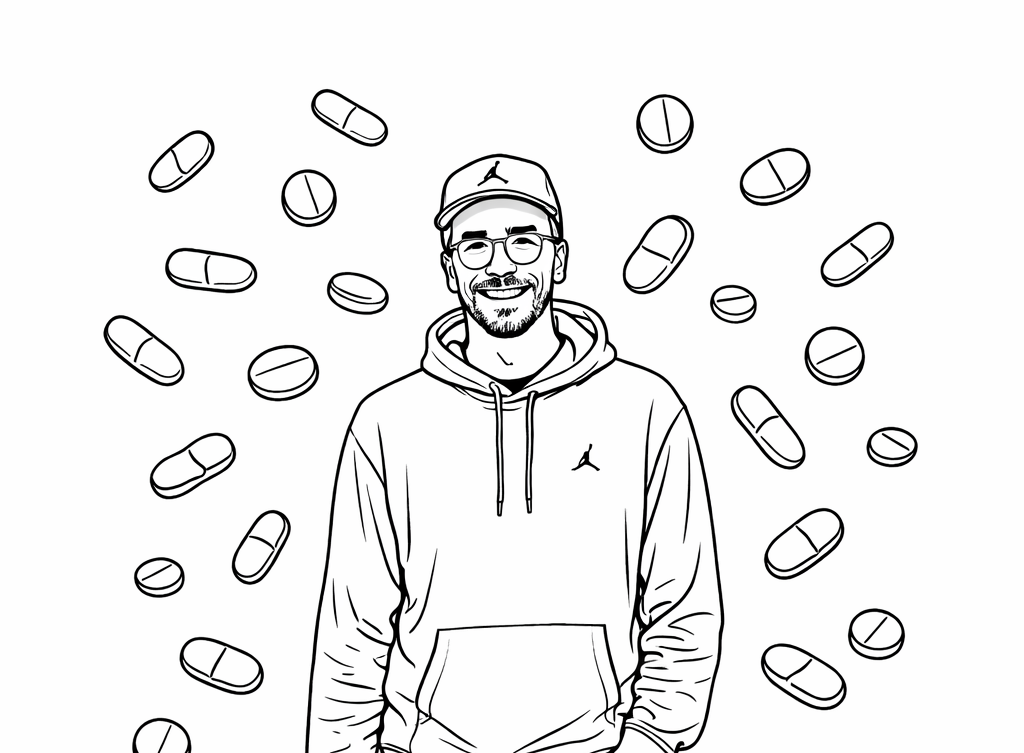
My path to medication was not linear. Before finding something that helped, I tried Ritalin, different forms of Methylphenidate and other options. Each attempt came with hope, curiosity and eventually disappointment. Some medications helped with focus but flattened my emotions. Others made my body feel alert while my mind felt strangely disconnected. None of them were inherently wrong. They were just not right for me.
I am currently taking Elvanse, 50 mg. Writing that down still feels oddly intimate, because numbers invite judgement. I want to be clear: this is not a recommendation, just a factual part of my story. Elvanse did not remove my ADHD. I still struggle with distraction, overwhelm and fatigue. What changed was something subtler. Friction decreased. Starting tasks stopped feeling like pushing against an invisible wall. My thoughts did not become slow or silent, but they became usable.
Alongside Elvanse, I also take Wellbutrin. Not to optimise productivity, not to chase happiness, but to support my overall wellbeing. For me, it helps stabilise my emotional baseline. It smooths out some of the sharp edges that made everyday life feel heavier than it needed to be. This combination works for me, at least right now. That does not make it universal, and it does not make it permanent.
One of the most important realisations for me was this: medication does not create motivation. It creates access. Access to focus, to follow-through, to choice. I still need structure, rest, boundaries and compassion. Medication did not replace those needs. It made meeting them possible.
There is grief in this process. Grief for how hard things were before. Grief for the years spent believing that my struggles were moral failures rather than neurological realities. But there is also relief. Relief in understanding that needing help does not mean something is wrong with me.
And yet, medication is rarely allowed to be neutral. ADHD medication is often framed as cheating. Antidepressants are framed as weakness. Both carry a strange moral weight, as if using medical support somehow diminishes authenticity. This stigma often hides behind concern. “Are you sure you need that?” “Have you tried just pushing through?” “But you seem fine.” These questions sound caring, but they quietly imply that medication is excessive or suspicious.
What bothers me most is how often medication is judged based on output. ADHD medication is tolerated if it makes someone more productive. Antidepressants are accepted if they make someone easier to deal with. Rarely are these tools discussed in terms of sustainability, dignity or quality of life.
We do not apply this logic to glasses, hearing aids or insulin. We do not ask people to prove they are struggling enough to deserve support when the need is visible. When it comes to the brain, however, support is treated like a confession.
Medication is not a personality replacement. It does not erase complexity or pain. It does not fix everything. It simply removes some barriers. For some people, that removal is life-changing. For others, it is not worth the side effects. Both outcomes are valid.
For me, Elvanse and Wellbutrin are part of a larger system: therapy, self-designed tools, pacing, creative work and learning to respect my limits. Medication did not give me a new self. It gave me a bit more space inside the one I already had.
And sometimes, that space is not about becoming better. It is about finally being able to breathe.
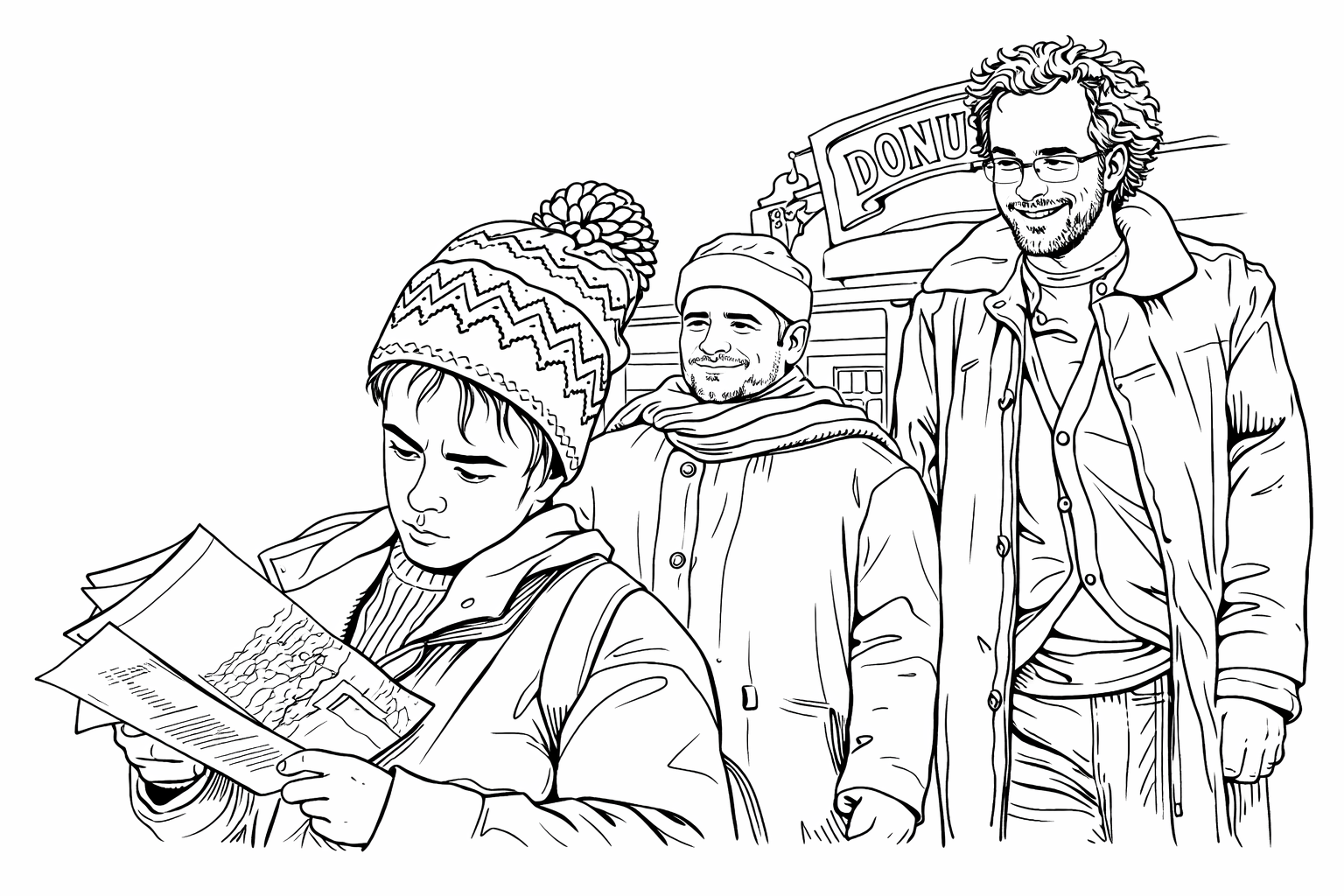
At first glance, it may seem banal to watch the same film again every year. But rituals rarely arise by accident. They serve functions deeply rooted in human needs: orientation, identity, and anchoring oneself within one’s own biographical space. Home Alone 2: Lost in New York has become exactly such a ritual for me—interestingly, only in young adulthood, when I discovered my love for New York and the film became more than mere entertainment.
In this context, New York stands less for the actual city and more as a symbol: density, possibility, restlessness, and at the same time a peculiar sense of comfort within chaos. In pedagogy, one speaks of aesthetic experience—the moment when an external impression triggers an inner resonance and becomes a kind of encounter with oneself. This is precisely the resonance I feel when the film presents its exaggerated, almost fairy-tale version of the city: the Plaza Hotel, Rockefeller Center, the night streets full of lights. It is not reality, but an aesthetic condensation that speaks to a particular part of me.
December is not a hectic time for me, but an energetically fragile one. As the year draws to a close, inner batteries weaken, external stimuli grow louder, and one’s own processing slows down. In such moments, rituals have a stabilizing effect. One might use the term ritualized self-care here—a concept that is gaining increasing importance in educational and social pedagogy. It describes actions that are not merely habits, but that enable self-regulation. Home Alone 2 is one of these stabilizing points: a constant that remains the same, demanding no performance from me, but instead returning me to a familiar aesthetic space.
Over time, my perspective on the film has shifted. What once primarily entertained me now holds a second layer. The character of the Pigeon Lady, the loneliness within the vast city, and the warmth of human encounter can be closely linked to the theory of narrative identity. This theory suggests that people shape their identity through stories—through the stories they tell about themselves, about others, and about the world. The film tells a big-city story of loneliness, hope, and the unexpected. Perhaps I recognize myself in it because, in cities, I do not see merely places, but mirrors: spaces of resonance that challenge and strengthen me at the same time.
It is conceivable that I watch the film every year because it reminds me of my own inner narratives. Perhaps also because it allows me a symbolic journey when I lack the energy to take a real one. Or because it reminds me of the importance of aesthetic education: the insight that films, images, and stories exist not only for entertainment, but as spaces in which one can recognize oneself.
And so, the annual viewing has become a quiet greeting to myself. To the part of me that feels freedom in the cinematic version of New York. To the part that draws strength from spaces of imagination and aesthetic experience. And to the part that, amid the stillness of December, needs a small piece of urban vastness in order to realign itself.
There’s a kind of loneliness that isn’t loud. It doesn’t always look like isolation. Sometimes it’s just the slow, quiet ache of feeling misunderstood. Like you’re slightly out of tune with the world. Not broken—just… playing a different melody.
If you’re neurodivergent, chances are you’ve felt that. That feeling of being on the edges. Of trying to keep up with relationships that weren’t really designed with your brain in mind.
Friendship isn’t just about finding people—it’s about keepingthem
And here’s the thing that doesn’t get said enough: being neurodivergent can make maintaining friendships hard. Not because we don’t care. In fact, many of us feel deeply. We crave connection. But it often gets tangled up in executive dysfunction, social burnout, time blindness, rejection sensitivity, sensory overload… the whole messy mix.
We forget to reply. Or we overthink a message until it’s too late. We cancel plans because we’ve run out of spoons. We disappear when life gets overwhelming, not because we want to hurt anyone, but because everything feels too loud and we just need to shut down for a bit.
And sometimes, people don’t understand that. They take it personally. They drift away. And even when we try to explain, it doesn’t always land.
So we learn to say sorry a lot. We carry guilt. We try harder. But trying harder often just leads to burnout. And loneliness creeps in again—more familiar than it should be.
We love differently—but deeply
What’s wild is how many of us love our people so intensely, even if we don’t always show it in “typical” ways. Maybe we send memes instead of asking how your day was. Maybe we hyperfocus on your favorite things and remember tiny details. Maybe we’re quiet, but we’re always watching out for you in our own way.
Our love might not always be timely, but it’s real. It’s fierce. It’s loyal.
So what do we do with this?
We grieve the friendships that faded, even if we understand why. We try to build new ones that hold space for how our brains work. We look for people who get it—or at least try to. People who don’t expect constant communication. Who understand that silence doesn’t mean distance. That we’re still here, still caring, even if we vanish sometimes.
And maybe we give ourselves some grace too. Maybe we stop calling ourselves bad friends and start calling ourselves neurodivergent friends. There’s a difference.
If you’re feeling this…
You’re not alone. Truly. So many of us are out here, quietly struggling with the same guilt, the same ache, the same longing to feel seen and accepted.
Let’s rewrite what friendship can look like. Let it be slower, softer, more forgiving. Let it leave space for rest and repair. For disappearing and returning. For honesty.
Because connection isn’t about performing. It’s about being real. And real doesn’t always show up on time or say the right thing.
Sometimes, it just says: I’m still here. I still care. Even if I’m quiet right now.
I’ve been thinking a lot about what it means to move through the world as both queer and neurodivergent. Not in the sense of fitting into neat definitions, but more like: what happens when your brain and your identity both push against the so-called “norm”?
Spoiler: it’s exhausting. And also kind of powerful.
There’s this unspoken rule that life follows a script—straight lines and clear roles. But queerness bends that script. Neurodivergence often throws it out the window entirely. And while that can be frustrating (especially when trying to do something as “simple” as sending an email or attending a birthday party), it also opens space for questioning things at a deeper level.
Like, why do we expect everyone to thrive under the same systems? Why do we equate productivity with worth? Why is masking—whether it’s hiding your stimming or your sexuality—so often rewarded?
For me, queerness and neurodiversity aren’t separate boxes. They influence each other. Being neurodivergent means I experience emotions in a very intense way. Being queer means I’ve had to figure out how to be myself in a world that didn’t always offer me examples how to do that. Together, they’ve made me more intentional about how I create space for myself—and for others.
I think that’s why I’m so interested in building tools, spaces, and stories that reflect our complexity. Queer, neurodivergent lives deserve more than just tolerance—we deserve representation, accessibility, and joy. We deserve to see ourselves not just as people who need to adapt, but as people who innovate—who reimagine, remix, and reinvent what a good life can look like.
So yeah. Maybe the world doesn’t always fit us. But we’re pretty good at creating new ones.
As a person living with ADHD, I am always driven to do “something” that lets my brain have a dopamine rush 🙂 Right now, that’s making an app for people with ADHD.
With the help of ChatGPT and my rudimentary knowledge of Swift and XCode I’m building ADHme, an app for people living with ADHD and struggling with one or more symptoms of it.
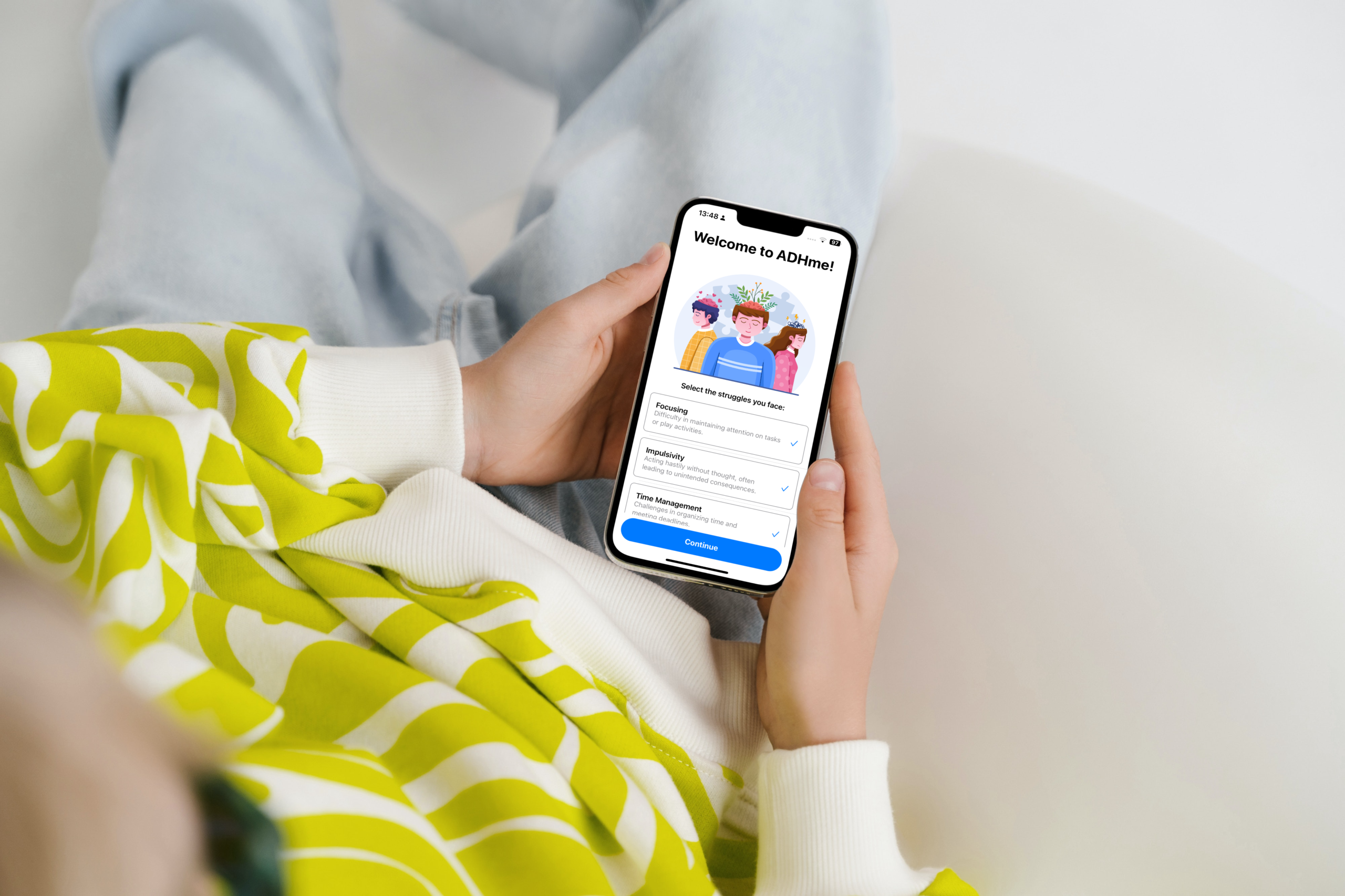
Right now, only the Onboarding View works. With it, users can choose their struggles, so that the app has some information about what tipps might help them best.
The Mockup shows an early version of the onboarding view.
After some tinkering with the code (and by doing this, learning a lot about Swift) the view now looks like this.
Next, the main work begins. After selecting the individiual struggles, users reach the main view. In it, they’ll find helpful tipps and motivational quotes to inspire them.
This is just a mockup of the Main View.
I am excited, working on the app in the next few weeks. If you want, you can join me on the journey! Keep an eye on my website or connect via social: 𝕏InstagramLinkedInFacebook Sometime in the future I’ll be happy to have you as a beta-tester!