Tag: Tech

  • Warum ich mir das reMarkable Paper Pro Move gekauft habe

    Warum ich mir das reMarkable Paper Pro Move gekauft habe

    Weniger Apps, mehr Fokus: Warum ich mir das reMarkable Paper Pro Move gekauft habe

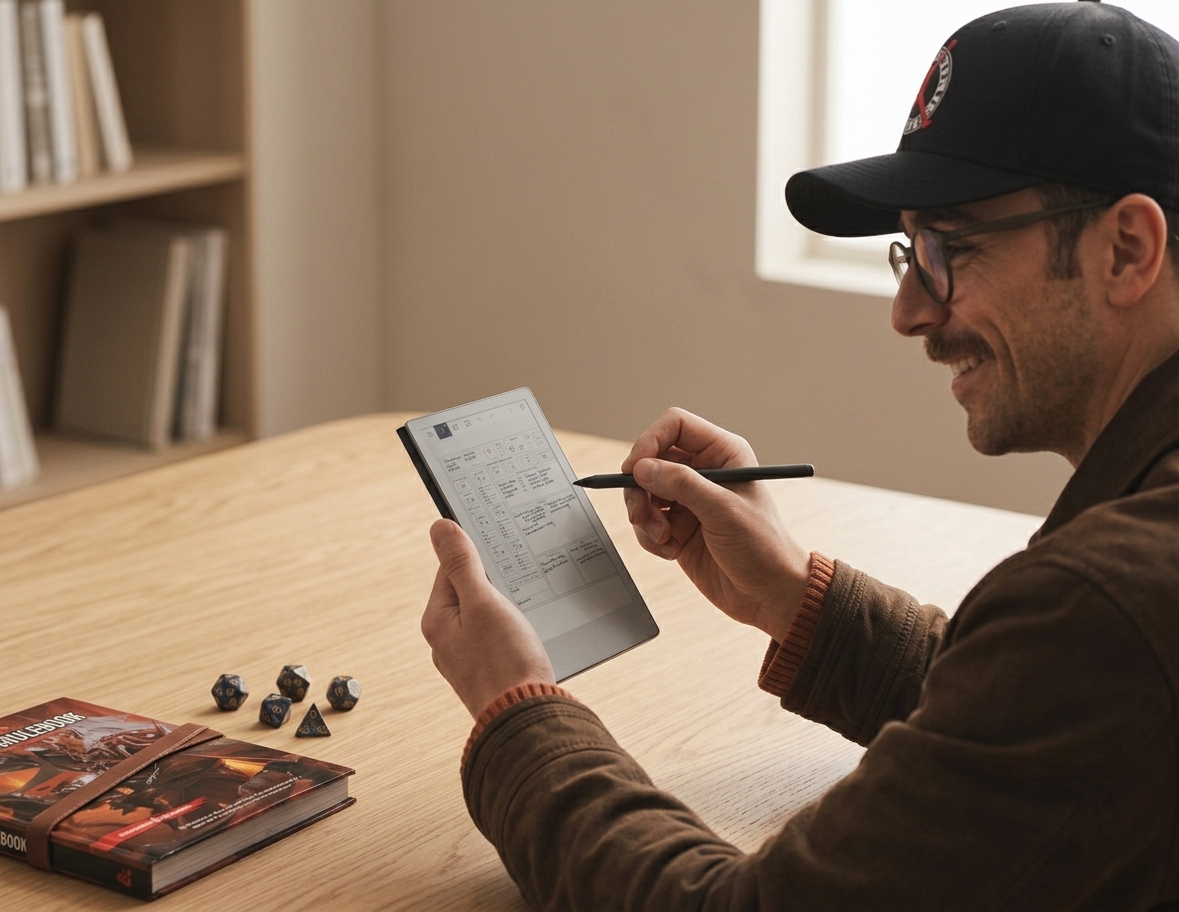
    Ich habe mir vor zwei Tagen das reMarkable Paper Pro Move gekauft, weil ich gemerkt habe, dass ich etwas anderes brauche. Etwas Ruhigeres. Etwas, das mich unterstützt, statt ständig Aufmerksamkeit von mir zu verlangen. Gerade mit ADHS merke ich schnell, wenn digitale Tools irgendwann mehr Energie kosten, als sie eigentlich sparen sollten.

    Das Lustige ist: Ich war selbst mitten daran, eine Tasklist-App zu entwickeln. Die Idee dahinter war gut, und ich finde das Konzept noch immer spannend. Aber während ich daran gearbeitet habe, habe ich gleichzeitig gemerkt, dass selbst eine bewusst reduzierte Produktivitäts-App für meinen persönlichen Use Case nicht ganz das trifft, was ich eigentlich suche. Irgendwann ist selbst die beste App halt wieder eine App – mit Menüs, Optionen, Einstellungen und dem kleinen Risiko, sich doch wieder in „Produktivität“ statt in der eigentlichen Aufgabe zu verlieren.

    Genau deshalb hat mich das reMarkable Paper Pro Move angesprochen. Kein App Store, keine Notifications, keine tausend Funktionen. Einfach schreiben, lesen und organisieren. Mehr nicht. Und genau dieses „Mehr nicht“ fühlt sich gerade überraschend richtig an.

    Natürlich kann ich nach zwei Tagen noch kein endgültiges Fazit ziehen, aber ich merke jetzt schon, dass sich etwas verändert. Gedanken landen schneller an einem Ort. Ich greife wieder öfter zum Stift. Ideen bleiben nicht mehr irgendwo zwischen Notizen-App, Handy und losem Papier hängen. Das Schreiben fühlt sich direkter an und irgendwie bewusster, fast so, als würde mein Kopf etwas langsamer werden dürfen.

    Was ich besonders spannend finde: Die Begrenzung wirkt nicht einschränkend, sondern befreiend. Wir sind so daran gewöhnt, dass Geräte immer mehr können müssen, aber ich habe langsam das Gefühl, dass mein Gehirn eigentlich vom Gegenteil profitiert. Weniger Möglichkeiten bedeuten weniger Entscheidungen. Weniger Entscheidungen bedeuten weniger mentale Reibung. Und weniger mentale Reibung bedeutet oft mehr Fokus.

    Auch das Lesen fühlt sich anders an. Auf dem Handy verliere ich schnell die Konzentration, weil immer irgendetwas wartet. Hier gibt es nur den Text. Kein schnelles Wechseln zwischen Apps, keine kleinen Unterbrechungen. Einfach lesen.

    Vielleicht ist genau das der Punkt, der mich im Moment so anspricht: Das Gerät versucht nicht, mich möglichst lange zu beschäftigen. Es versucht nicht, meine Aufmerksamkeit festzuhalten. Es ist einfach da, wenn ich etwas festhalten oder lesen möchte, und verschwindet danach wieder in den Hintergrund.

    Und vielleicht ist das gerade für ein ADHS-Gehirn gar keine so schlechte Idee.
  • I’m Building a New Notes & Tasks App (and I’m Not Sure If It’s a Good Idea)

    I’m Building a New Notes & Tasks App (and I’m Not Sure If It’s a Good Idea)

    I’ve been thinking a lot about how I organize my life.

    Right now, I use a mix of the built-in Apple Notes, Apple Calendar and Apple Reminders.

    And honestly… they’re all good.

    But something still feels off.


    The Problem I Keep Running Into

    My notes, tasks, and planning are always slightly disconnected.

    • I write something in a note → but forget to turn it into a task
    • I create a task → but lose the context of why
    • I plan something → but can’t easily connect it back to my thinking

    Everything exists… but not together.

    Example of how the apps work now. Each app by itself. No real connection.

    What Existing Apps Do Well (and Where They Fall Short)

    Apps like Notion are incredibly powerful.

    But:

    • They can feel heavy
    • Too many decisions, too much structure
    • Not always quick or calm to use

    Apps like Bear or Apple Notes feel amazing for writing.

    But:

    • Tasks are secondary or missing
    • Connections between ideas and actions are weak

    And the native Apple combo:

    • Apple Notes + Apple Reminders + Calendar

    …works, but:

    • everything lives in separate places
    • there’s no real “linking” between them

    The Idea I’m Exploring

    So I started building something for myself.

    The idea is simple:

    What if notes, tasks, and planning were deeply connected — without becoming complicated?

    The key is not more features.

    It’s references.

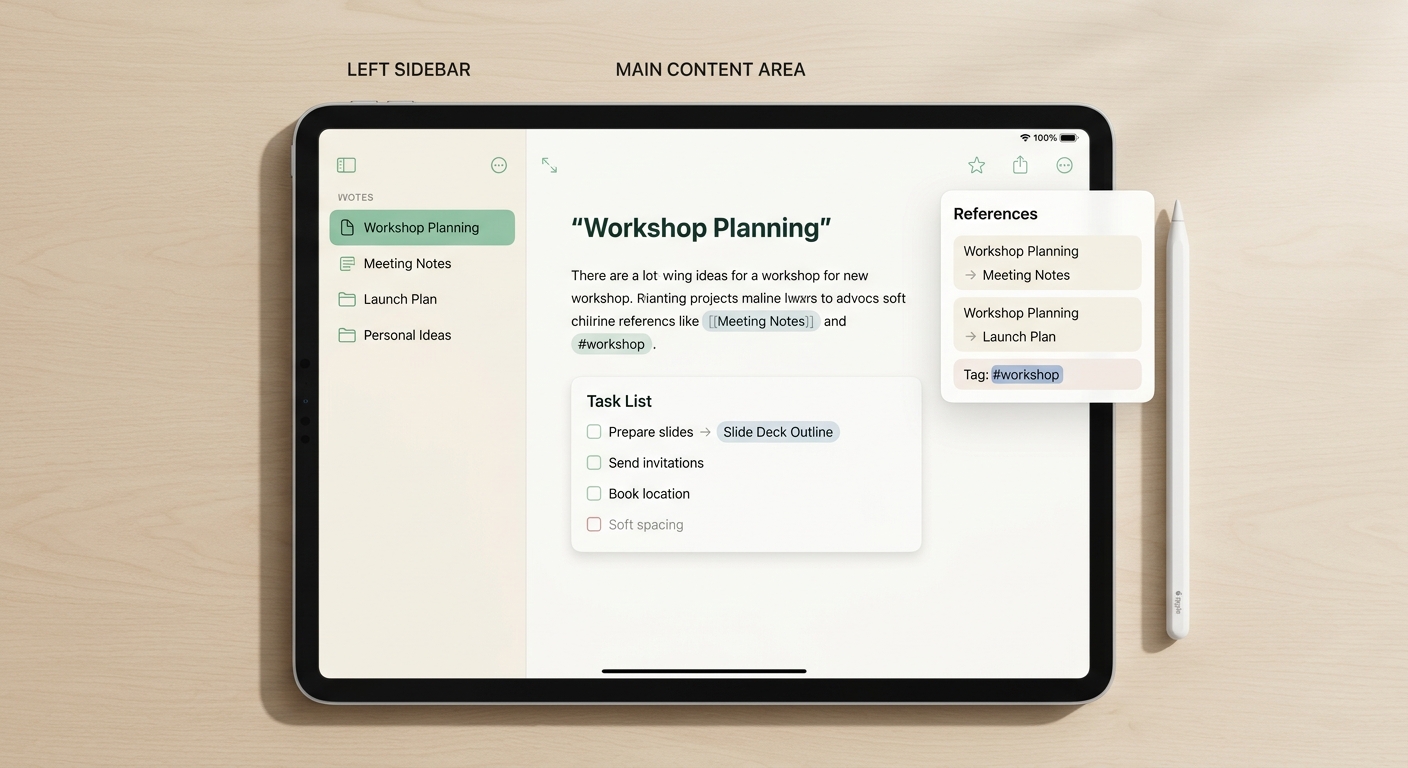
    Mockup of how the app could work.

    What Makes This Different

    In this app:

    • A note can directly reference another note
    • A task can link back to the note it came from
    • A note can contain a task list
    • A task list can be reused and referenced elsewhere

    All using simple patterns like:

    • [[Meeting Notes]]
    • #project
    • @list(Launch Tasks)

    So instead of jumping between apps, everything is connected in one place.

    Another Mockup. How a Overview could look like.

    What I’m Trying to Avoid

    I don’t want to build:

    • another complex “everything app”
    • another tool that requires setup before you can think
    • something that feels overwhelming

    I want something that feels:

    • calm
    • fast
    • and naturally connected

    Where I’m Not Sure

    This is where I’d love your honest opinion.

    Because I genuinely don’t know:

    • Is this actually a problem you feel too?
    • Or is the current mix of apps already “good enough”?
    • Does the idea of references between notes and tasks make sense to you?

    So… Is This a Good Idea?

    I’d really appreciate your thoughts.

    👉 Would you use something like this?
    👉 Or does this feel unnecessary?

    Be honest — I’m still early enough to change direction.

  • The Ultrahuman Air Ring and Why I Like It

    The Ultrahuman Air Ring and Why I Like It

    I did not get the Ultrahuman Air Ring because I wanted more data. I already see enough numbers every day. What I wanted was something calm. Something that helps me understand my body without stressing me.

    The ring fits into my life very easily. It does not buzz, vibrate or interrupt me. I wear it, forget about it, and let it do its thing. That alone makes a big difference to me.

    What I like most about the Ultrahuman Air Ring is how it shows information. It does not tell me what to do. It does not push me to be better or more productive. It simply shows patterns. How I slept. How my body recovered. When I might have been more stressed. I look at the data later, when I have time and space for it.

    This is especially helpful for me because I am neurodivergent. When a device gives live feedback, it often creates pressure. I start to worry or try to fix things in the moment. With the ring, I can look back and understand my day instead of judging it.

    The ring also helps me be kinder to myself. When I feel tired or slow, I can see that my sleep was not great or that my body needed more rest. That makes it easier to accept low-energy days instead of fighting them.

    I also like that it is a ring and not a watch. It feels more private. Less visible. I do not feel like I am showing data on my body to the world. It just sits there quietly and blends into my day.

    Just because I like how this AI -Graphic turned out 🤪

    I do not use the Ultrahuman Air Ring to get perfect scores. I use it to notice patterns and to better understand myself. It helps me listen to my body instead of ignoring it.

    For me, good technology is calm technology. It supports me without taking over my attention. The Ultrahuman Air Ring does exactly that, and that is why I like it.

  • Growing Up a Computer Nerd in the Late 90s and Early 2000s

    Growing Up a Computer Nerd in the Late 90s and Early 2000s

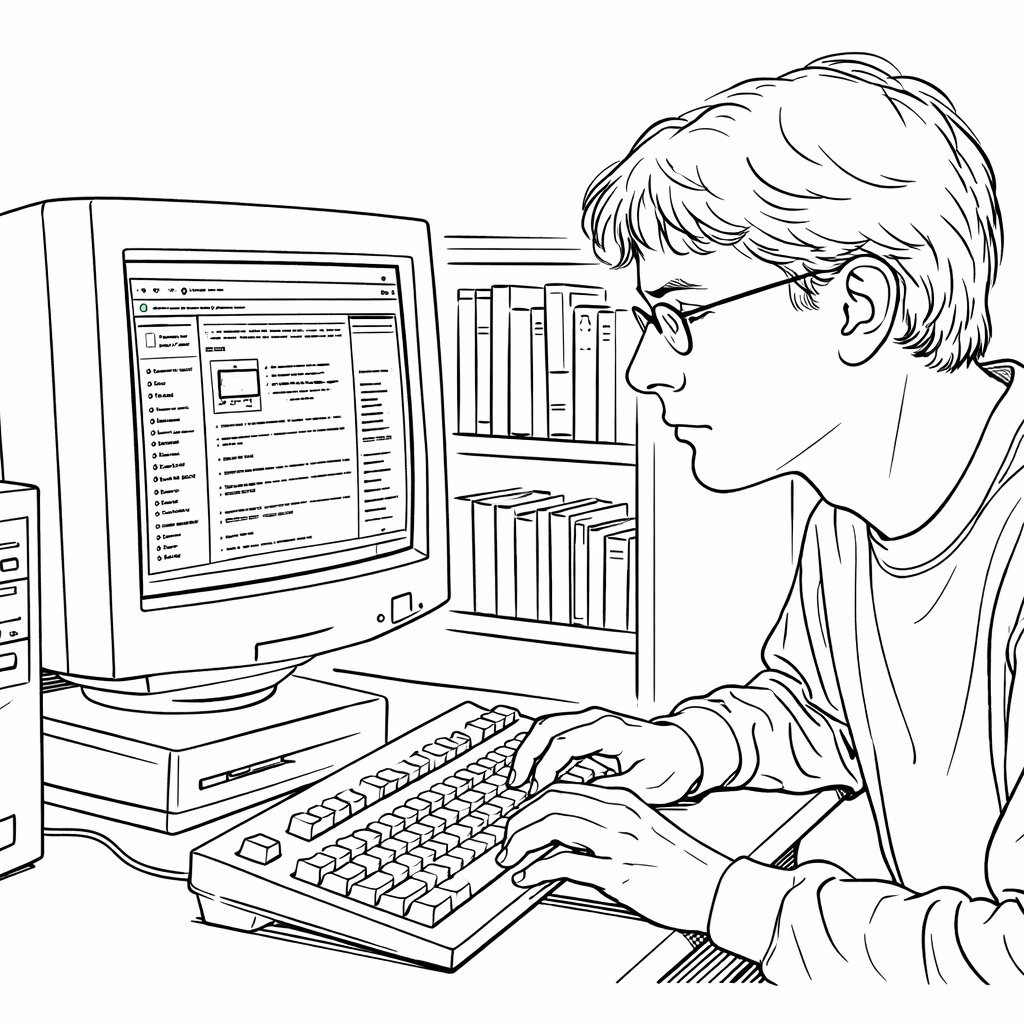
    There’s something oddly romantic about the screech of a dial-up modem. That awkward, glitchy handshake sound was the gateway to another world—a world where I, a kid growing up somewhere between floppy disks and FireWire, felt completely at home.

    Being a computer nerd back then was a full-on personality. It wasn’t cool. It wasn’t mainstream. While most kids were out playing football or learning to skateboard, I was figuring out how to build websites in HTML or installing obscure Linux distributions just because I could.

    We didn’t have tutorials on YouTube. We had forums, clunky PDF manuals, and a whole lot of trial and error. I learned how to code by breaking things. Then fixing them. Then breaking them again, but on purpose this time—just to see what would happen. The sense of control, of bending machines to your will, was intoxicating. And let’s be honest, sometimes frustrating as hell. But that made the victories taste even sweeter.

    There was a kind of punk spirit to the early internet. We made fan pages for our favorite TV shows with animated GIFs and “under construction” signs. We chatted on ICQ, built avatars for MSN Messenger, and joined shady warez forums just to get our hands on Photoshop 5.5. (Sorry, Adobe. We were poor and hungry for creativity.)

    I’ll never forget the first time I saw a Geocities site and thought, Wait… I can make one of these? And then I did. Probably ten of them. One was a digital diary, one a fan page for – I guess – Britney Spears, and another was just… blinking text and MIDI music. But that was the beauty of it—you could.

    There was a freedom in that era. Fewer rules, more exploration. You wanted a font? You found some sketchy website and downloaded it, virus included.

    You just had to find a way to explain to your parents why nothing worked anymore.

    Looking back, those late 90s and early 2000s nights—hunched over a monitor, tabs open in the browser, a folder full of weird desktop widgets—shaped how I think, create, and communicate today. That era taught me how to teach myself. How to be curious. How to problem-solve without always needing a clear answer first.

    And yeah, today’s tech is faster, sleeker, more “user-friendly.” But I still miss the old chaos sometimes. The weirdness. The challenge. The joy of figuring it out yourself, even if it took all night.

    To everyone who ever stayed up way too late tweaking their Winamp skin or writing a blog post in Notepad: I see you. We helped build the internet. And somehow, it still feels like home.