Category: General

  • Vom App Store zu GitHub: Warum ich den Code meiner Festival App veröffentliche

    Vom App Store zu GitHub: Warum ich den Code meiner Festival App veröffentliche

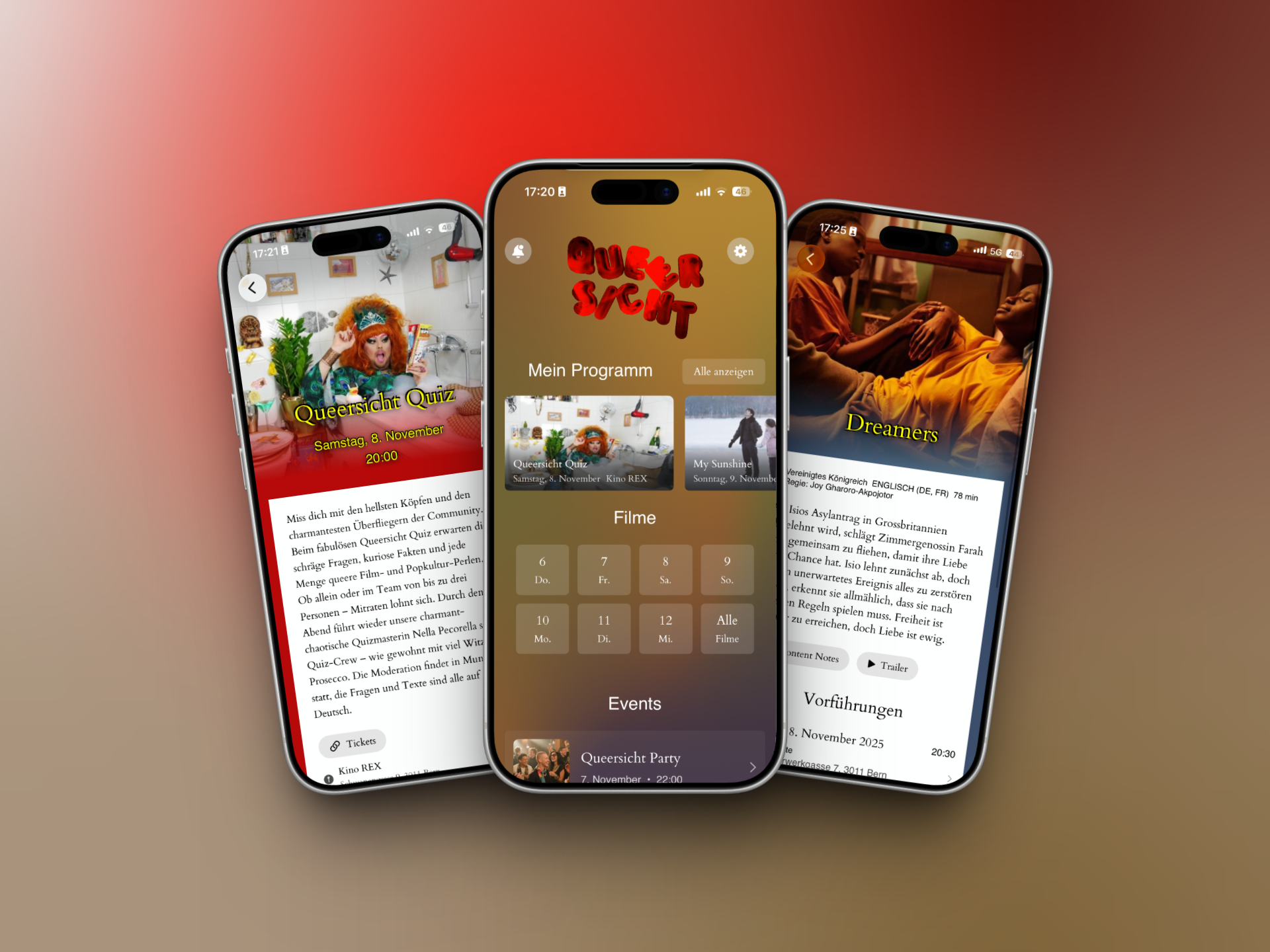
    2025 habe ich mir einen lang gehegten Traum erfüllt: Ich habe meine erste iOS-App im App Store veröffentlicht. Die App für das Queersicht Film Festival war ein echtes Herzensprojekt – von Grund auf entwickelt für das grösste queere Filmfestival der Schweiz. Zu sehen, wie sie heruntergeladen und von echten Festivalbesucher:innen genutzt wurde, war ein grossartiges Gefühl.

    Noch stolzer als auf die Veröffentlichung selbst bin ich allerdings auf das, was ich während der Entwicklung gelernt habe.

    Dieses Projekt hat mich auf eine Weise gefordert, mit der ich nicht gerechnet hatte. Ich habe mich intensiv mit SwiftUI beschäftigt, eine Offline-First-Architektur umgesetzt, eigene Animationssysteme entwickelt und auf die harte Tour gelernt, wie wichtig gutes State Management und Speicheroptimierung sind. Jede Herausforderung hat mich etwas Neues gelehrt, und jeder behobene Bug hat mich zu einem besseren Entwickler gemacht.

    Deshalb veröffentliche ich den kompletten Quellcode auf GitHub – genau so, wie er ist. Mit allen Ecken und Kanten.

    Ich erinnere mich noch gut daran, wie ich selbst angefangen habe. Damals habe ich Open-Source-Projekte angeschaut und mich gefragt, wie sie eigentlich aufgebaut sind. Ich wollte den echten Code sehen – nicht nur das fertige Endprodukt. Jetzt möchte ich etwas davon zurückgeben.

    Diese Codebasis kann als Grundlage für viele unterschiedliche Projekte dienen:

    • Filmfestivals oder Kulturveranstaltungen, die eine eigene Begleit-App entwickeln möchten
    • Konferenzveranstalter:innen, die interaktive Programmübersichten anbieten wollen
    • Vereine oder Communitys, die Event-Guides für ihre Mitglieder erstellen möchten
    • Entwickler:innen, die mehr über Offline-First-Architekturen für mobile Apps lernen wollen
    • Alle, die mit SwiftUI, Animationen oder eigenen Themes experimentieren möchten

    Das Projekt enthält alles, was dazugehört: das iOS-Frontend, ein PHP-Backend mit REST-API, ein Admin-Panel zur Inhaltsverwaltung und sogar ein Minispiel, das ich komplett selbst entwickelt habe. Der Code ist nicht perfekt – heute würde ich einige Dinge anders lösen. Aber er ist echt. Er funktioniert. Und er hat echte Probleme gelöst.

    Ich hoffe, dass dieser Code jemandem dabei hilft, die eigene Traum-App zu verwirklichen. Vielleicht hast du bisher gezögert, dein eigenes Projekt zu starten, weil du nicht wusstest, wo du anfangen sollst. Vielleicht steckst du gerade bei einer technischen Herausforderung fest und möchtest sehen, wie jemand anderes sie gelöst hat. Oder vielleicht möchtest du einfach stöbern, experimentieren und dazulernen.

    Was auch immer dich hierhergeführt hat: Ich hoffe, dass dir dieser Code nützlich ist. Forke ihn, studiere ihn, zerlege ihn, verbessere ihn und mach etwas Eigenes daraus. Bau etwas Grossartiges damit.

    Und falls daraus etwas Cooles entsteht, würde ich mich riesig freuen, davon zu hören. Ich bin gespannt, was du damit erschaffst.
  • Getting lost in the back alleys was how I truly found Japan

    Getting lost in the back alleys was how I truly found Japan

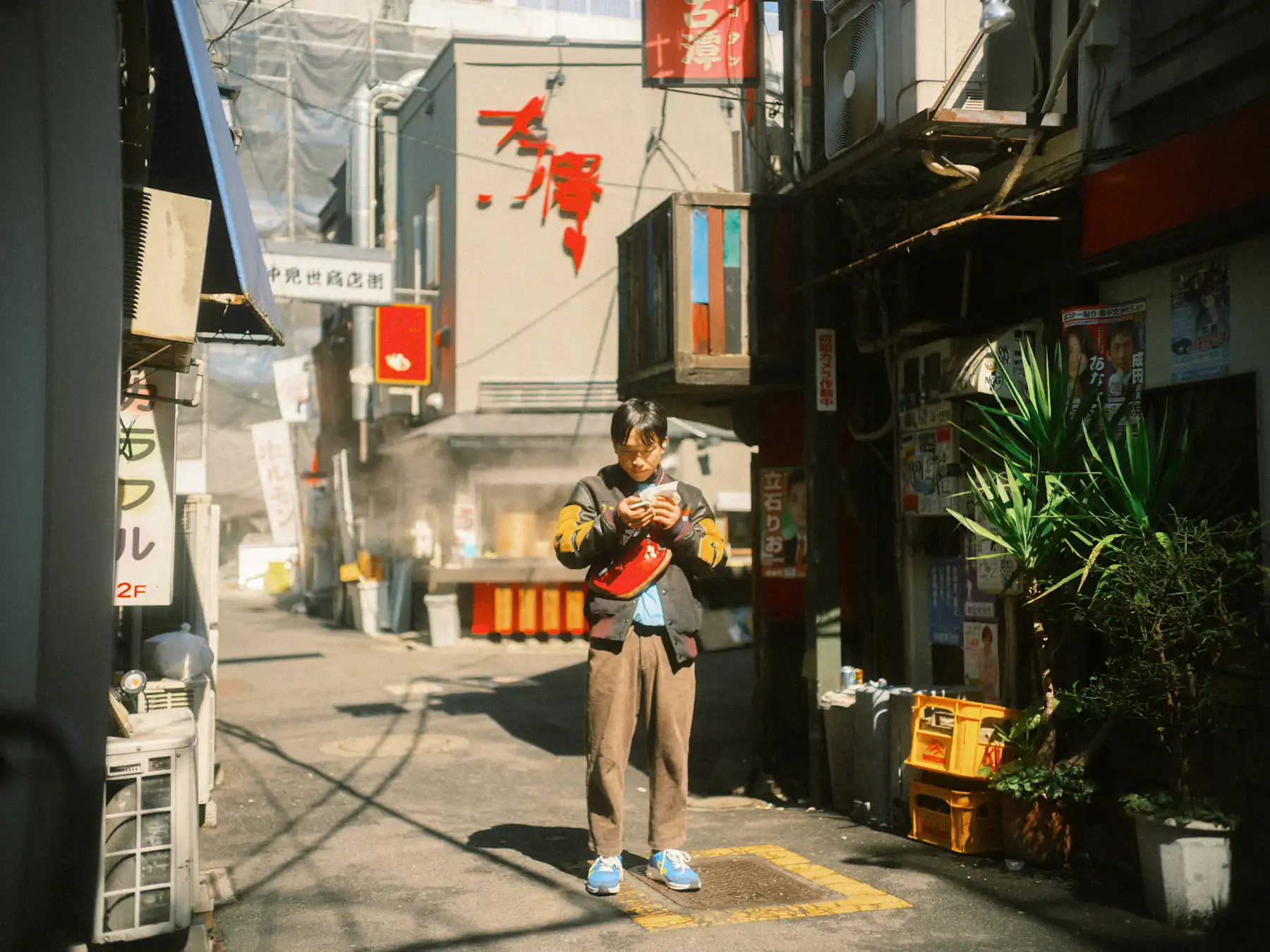
    Every trip starts with a list of places to see. My list for Japan was full of famous temples and busy intersections. I saw those places, and they were impressive. But the real trip began when I put the map away. The moments that stayed with me happened in the small, quiet streets that connect the major roads. It was in those alleys, away from the crowds, that I started to get a real sense of the country.

    These narrow streets have a life of their own. You can hear the city, but it sounds different, more distant. The constant roar of traffic softens to a low hum, replaced by smaller, closer sounds. A bicycle bell rings gently, and you can hear the sizzle of food from a tiny restaurant with only a few seats. Wires hang in complex webs above your head, tracing paths from one building to the next. Residents place potted plants outside their doors, adding touches of green to the concrete. It felt like I had stepped behind a curtain, into the real, everyday rhythm of the city.

    In these spaces, I found my waypoints. A small shop selling grilled squid. An old vending machine humming in the afternoon sun. A cat sleeping on a warm wall. These were not destinations on a map. They were small moments of discovery that made the whole experience feel personal. This is where people live their lives, and I was grateful to walk through it, even for just a moment.

    The feeling was different in each city. In Tokyo, the alleys felt like secret passages in a giant, modern machine. You could turn a corner from a street with towering glass buildings and find yourself in a place that felt a generation older. In Kyoto, the alleys were quieter and seemed to hold on to history. They led to peaceful gardens or homes with traditional wooden walls, making the city’s past feel very present.

    This is what I will remember most about my time in Japan. Not the famous landmarks, but the feeling of being on foot with no destination. It taught me that sometimes the best way to see a place is to get a little lost in it. You find things a guidebook can never show you. You find the simple, human details that make a place feel alive.

  • Why food matters at corporate events

    Why food matters at corporate events

    When you plan a corporate event, you focus on the big things like the guest list, speakers, and presentations. Food can sometimes feel like a minor detail. But the food you serve does more than just feed your guests. It plays a huge role in how people feel and what they remember. A great meal makes everyone feel comfortable and valued.

    Choosing the right menu shows your guests that you care about their experience. It sets the tone for the entire event, whether it is a formal conference or a casual team retreat. Thoughtful food choices can turn a standard business gathering into a memorable and positive occasion for everyone involved.

    Food creates connection

    Food brings people together in a natural way. At a corporate event, where networking is often a key goal, a shared meal provides a perfect opportunity for conversation. It gives attendees a reason to talk to each other in a relaxed setting. This helps build relationships that last long after the event is over.

    The way you serve food also shapes the atmosphere. For example, interactive food stations encourage guests to move around and mingle. A seated dinner creates a more formal and intimate environment. The right choice depends on your event’s goals, but either way, food acts as a social anchor that helps people connect.

    Food reflects your brand

    The food you offer at an event says a lot about your company. A creative and high-quality menu communicates excellence and attention to detail. It shows that your brand values quality in everything it does. This small detail can leave a big impression on clients, partners, and employees.

    On the other hand, a poor food experience can reflect badly on your brand. It might suggest a lack of care or a failure to plan properly. By investing in good food, you are investing in your company’s reputation. It is a simple but powerful way to reinforce your brand’s message and ensure your event is a true success.

  • How to find the best photographer for your upcoming event

    How to find the best photographer for your upcoming event

    A great event deserves to be remembered, and photos are the best way to preserve those memories. Hiring a photographer is an investment in capturing the atmosphere, emotion, and important moments of your occasion. The images they create can be used for years in marketing materials, social media posts, and company archives.

    Finding the right person for the job can feel like a big task, but it does not have to be complicated. The key is to know what you are looking for and what questions to ask. With a clear plan, you can find a photographer who understands your vision and can deliver beautiful, professional images that tell the story of your event.

    Look for a style that matches your vision

    Every photographer has a unique style. Some specialize in formal, posed shots, while others excel at capturing candid, in-the-moment action. Before you start your search, think about the feeling you want your event photos to have. Do you want them to be polished and professional, or relaxed and documentary-style?

    Once you know what you want, start looking at portfolios. A photographer’s website and social media are great places to see their work. Look for examples from events similar to yours. If their style resonates with you and aligns with your brand, they might be a good fit.

    Discuss experience and professionalism

    Experience is about more than just taking nice pictures. A professional event photographer knows how to navigate a live event without disrupting it. They understand how to work with different lighting situations and how to anticipate key moments before they happen. Ask them about their experience with events of a similar size and scope to yours.

    Good communication is also essential. A professional photographer should be responsive, clear, and easy to work with. They should listen to your needs and be able to provide a clear contract that outlines their services, fees, and delivery timeline. This ensures there are no surprises and that you have a smooth working relationship from start to finish.

  • Rediscovering the simple joy of pizza made with a wood fire

    Rediscovering the simple joy of pizza made with a wood fire

    New York is a city of a million destinations. You can spend weeks here and feel like you have only scratched the surface. My plan was to see as much as I could. But the moment I will remember most from my trip happened by accident, on a side street in Brooklyn. I walked past a small pizzeria and the smell of woodsmoke stopped me. I went inside and found a reminder that the best things are often the most simple.

    The pizza arrived with a crust that was charred and bubbled from the intense heat. It had a slight crispness on the outside but was soft and light when I bit into it. This was a perfect base for the simple, fresh toppings. Nothing was complicated, yet everything tasted exactly as it should. It was the kind of food that forces you to slow down. In a city that is always moving, this meal felt like a quiet, necessary pause.

    A man worked behind the counter with a calm focus. He stretched the dough and added the toppings with an easy rhythm that you only get from doing something a thousand times. There was no wasted motion. It was a craft, a skill honed over years. He worked with a quiet confidence. He let the quality of his ingredients and the heat of his oven do the talking.

    The oven was the heart of the restaurant. Its warmth seemed to reach every corner and made the whole place feel welcoming. Looking at the fire inside, I understood that it does more than just cook. The flame is an ingredient. It is what gives the pizza its smoky flavor and its unique, leopard-spotted char. No other way of cooking can do what fire does. It is honest and it is powerful.

    For me, this pizzeria was more than just a place to eat. It was a connection to the real, everyday life of the city, away from the famous sights. It proved that a simple meal, made with care and with fire, can be the most memorable part of any journey. That is a joy worth looking for, especially in a city as big as New York.

  • The power of shared experience for team building

    The power of shared experience for team building

    Over my years as an event planner, I have seen firsthand what brings a team together. While traditional happy hours have their place, the most memorable and effective team-building events are the ones that break the mold. Moving beyond the expected shows your team that you are invested in their experience.

    I have found that the key is to create an environment where colleagues can interact in a new context. When people step out of their usual roles, they connect on a more personal level. This is where the real magic happens. It builds stronger relationships that carry back to the office, improving collaboration and overall morale.

    A creative workshop for a tech team

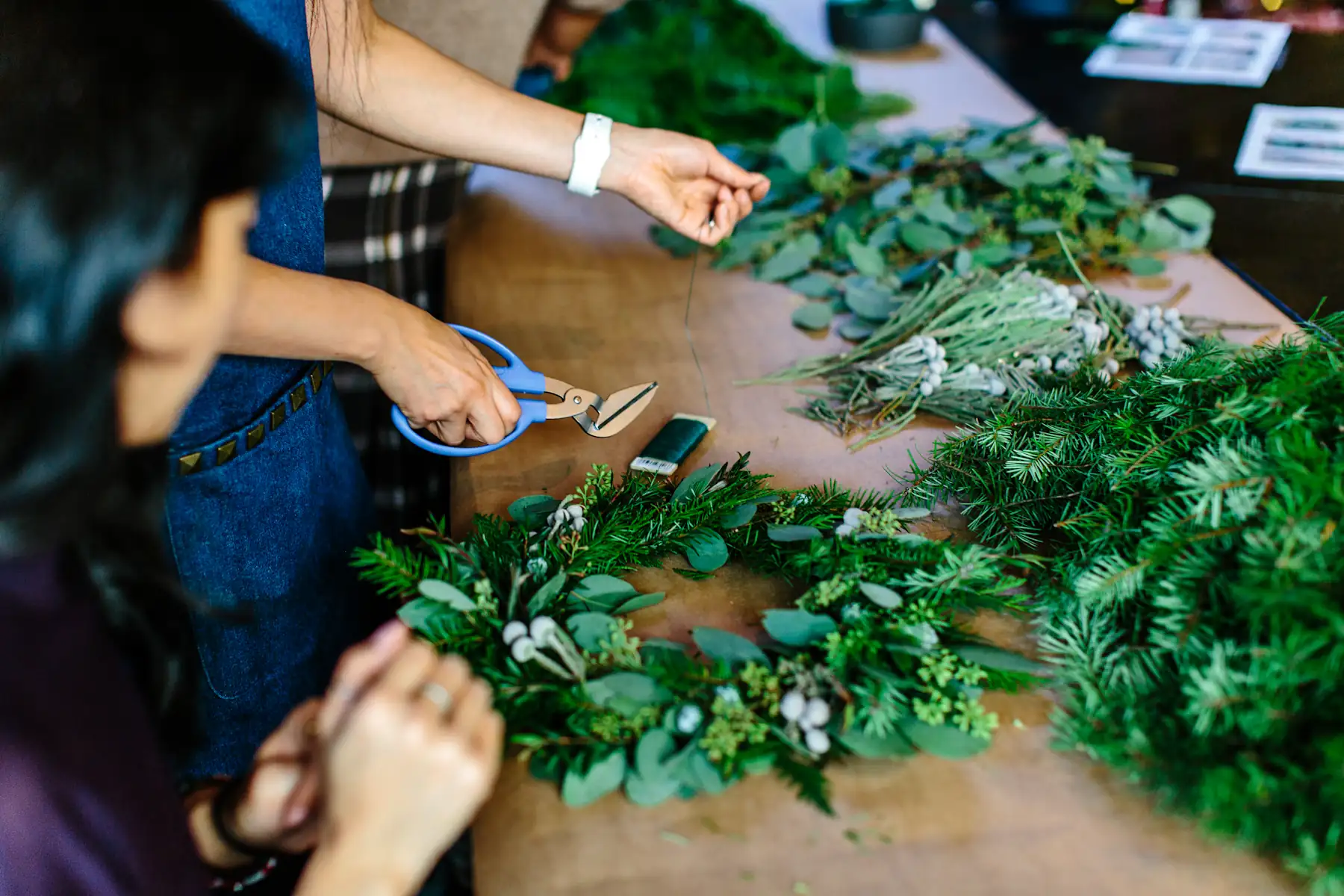
    Last year, I worked with a fast-growing tech company that wanted to do something different for their annual retreat. For this team of analytical thinkers, we decided to organize a hands-on wreath-making workshop. It was a simple, seasonal activity that encouraged everyone to get creative.

    The atmosphere in the room was amazing. People who normally spent their day coding were now sharing tips on arranging foliage and helping each other with design ideas. It was a low-pressure, collaborative experience that completely shifted the team dynamic. The client later told me it was the most engaged they had ever seen their team.

    A day of volunteering for a global firm

    For another client, a large financial firm, we planned a company-wide volunteer day. We partnered with a local organization to help rebuild a community garden. Instead of sitting in a conference room, executives and new hires were working side-by-side, getting their hands dirty for a good cause.

    The shared sense of purpose was powerful. It fostered a different kind of teamwork, built on encouragement and a common goal. The experience did more for team spirit than any formal training could. It reminded everyone that they were part of something bigger, both as a company and as a community.

  • Good vibes and great waves on the coast of Portugal

    Good vibes and great waves on the coast of Portugal

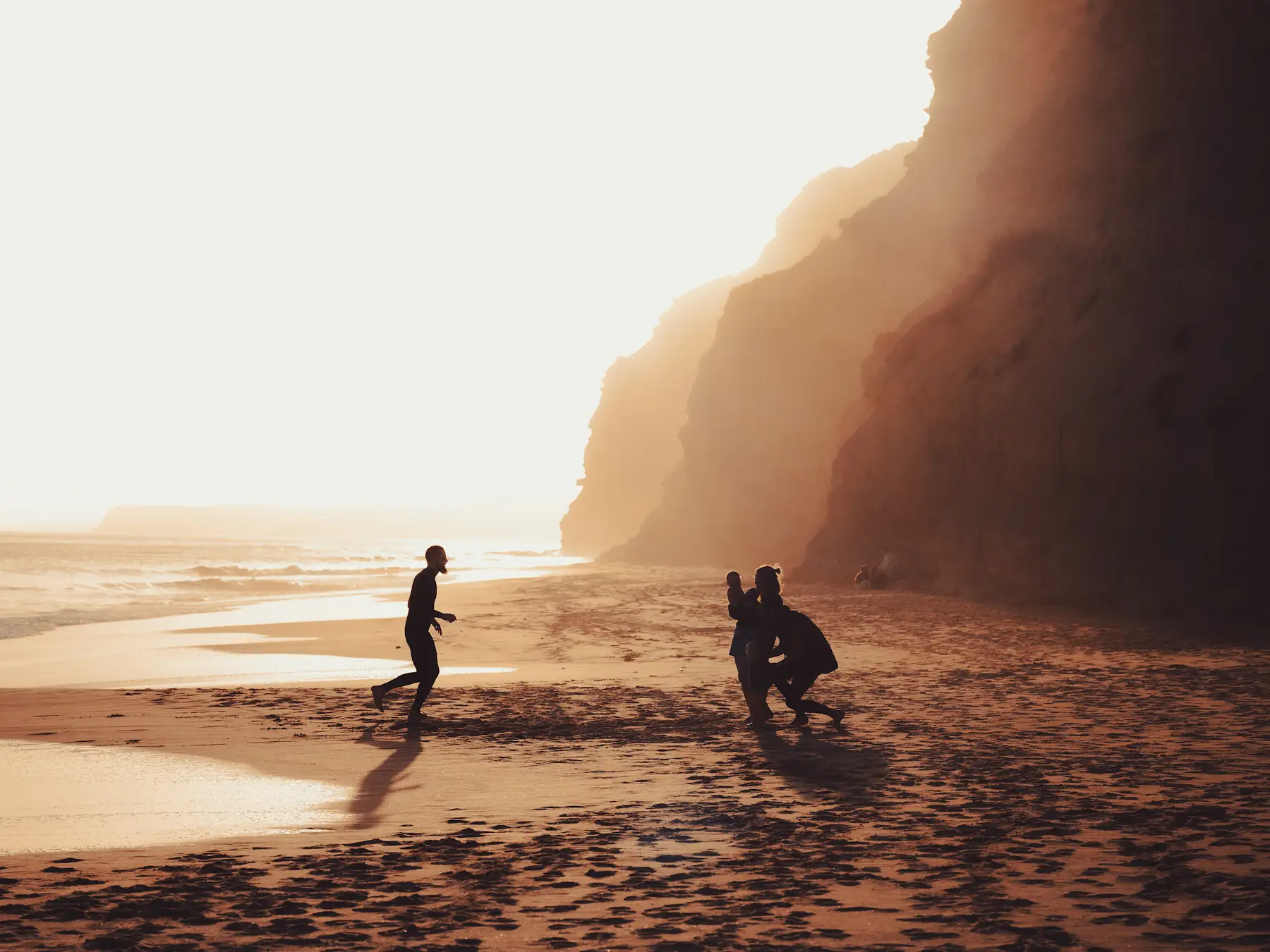
    I came to the Algarve coast in Portugal ready for an adventure. The plan was simple: find good waves and have a good time. The energy of the coast hits you right away. The cliffs are huge, the Atlantic is powerful, and you can feel the excitement in the air. This is not a place for standing still. It is a place that calls you to get in the water and be a part of the action.

    Every day was a new mission to find the best waves. We were a small crew, driving up and down the coast, music playing, boards strapped to the roof. The waves were perfect. They had enough power to be fun but were forgiving enough to let you try new things. The feeling of dropping into a clean wave and riding it all the way in is pure adrenaline. It’s a rush that never gets old.

    The fun did not stop when we left the water. The days were full of energy, with everyone sharing stories of their best rides and funniest wipeouts. We were a group of people from all over, brought together by a shared love for surfing. We spent our evenings around a campfire, with live music and plans for the next day’s surf. The vibe was electric.

    This trip was all about good people, good music, and great waves. It was a week of pure fun, pushing my limits in the water and making friends for life. The Algarve delivered exactly what I was looking for: an unforgettable adventure. It was a high-energy escape that left me feeling completely recharged.

  • My conversation with a classic car on a long and lonely road

    My conversation with a classic car on a long and lonely road

    There is a certain clarity that can only be found on the road. When you are focused on the simple act of driving, the noise of daily life seems to fade away. During a recent trip to Vancouver, I had the chance to spend a day with a classic Porsche 911 SC. The plan was simple: to find a quiet road and just drive. The forests of British Columbia are vast and silent, and as I settled into the driver’s seat, I felt like I was about to have a conversation with the past.

    Modern cars are designed to be quiet and comfortable. They insulate you from the road, the engine, and the world outside. This car was different. It was an analog machine in a digital age, and it demanded my full attention. The steering wheel communicated every detail of the road surface. The sound of the air-cooled engine behind me was a constant, mechanical presence. Every gear change was a satisfying, physical act. This was the conversation. The car wasn’t speaking in words, but in feelings, vibrations, and sounds.

    In this dialogue, the car told a story about a different era of design. There were no screens, no complicated menus, just a set of simple, functional gauges. Every button and switch had a clear purpose. It was a design philosophy that valued the connection between the driver and the machine above all else. As a product designer, I found this incredibly inspiring. The car was a reminder that the most rewarding experiences are often the ones that are the most direct and unfiltered.

    The road itself was a silent partner in this conversation. It curved and climbed through a forest of giant, moss-covered trees. The tall pines created a canopy that filtered the afternoon light, casting long shadows on the pavement. Driving through this immense, quiet landscape felt like a form of meditation. The car was a small, mechanical object moving through a vast, natural world. The solitude of the lonely road was essential. It created the space for this reflective experience to unfold.

    By the end of the day, I felt like I understood something new. The conversation I had with this classic car was about more than just driving. It was about the value of simplicity, the importance of being present, and the joy of interacting with something that is beautifully and honestly designed. It was a waypoint that offered a new perspective. It left me with a sense of clarity that only comes from disconnecting completely from the digital world.

  • A planner’s guide to hiring the right caterer

    A planner’s guide to hiring the right caterer

    Choosing the right caterer is one of the most impactful decisions you will make for your event. They do much more than just provide the food. They manage a critical part of your guests’ experience, from service to timing. Finding the right fit is about finding a reliable partner who can execute your vision.

    After planning countless events, I have learned that a successful catering experience comes from a clear and organized selection process. This guide is designed to walk you through the practical steps I take to find the perfect catering team, ensuring there are no surprises on the day of the event.

    Do your homework first

    Before you even contact a single caterer, you need to have your event details sorted. This means knowing your budget, estimated guest count, venue, and the overall style of your event. Are you looking for a formal seated dinner, a casual buffet, or trendy food stations? This information is essential for getting an accurate and useful proposal.

    With these details in hand, you can begin your research. Look for caterers who have positive reviews and experience with events similar to yours. Ask your venue for their list of preferred partners, as these caterers will already be familiar with the space and its rules. Your goal is to create a shortlist of three to five promising candidates to move forward with.

    The proposal and the tasting

    When you request proposals, make sure you provide each caterer with the same detailed information. This will allow you to compare their offers fairly. Do not just look at the bottom-line price; check carefully to see what is included, such as staffing, rentals, taxes, and gratuity. A cheaper quote might end up costing more if it leaves out key services.

    Once you have reviewed the proposals, the tasting is your next crucial step. This is your chance to assess the quality and presentation of the food firsthand. But it is also an important interview. Pay attention to their professionalism, how they answer your questions, and their willingness to accommodate dietary needs or special requests. This meeting will tell you everything you need to know about the kind of partner they will be.

  • How to choose the perfect venue for your event

    How to choose the perfect venue for your event

    The search for a venue is often the true beginning of the event planning process. The space you choose acts as the canvas for your entire event, making a powerful first impression on your guests. It dictates the atmosphere, influences your decor choices, and has a major impact on your budget and the overall experience.

    Finding the right one requires a blend of clear-headed logistics and creative vision. You need a space that not only works on paper but also has a feeling that aligns with your goals for the occasion. The process can seem daunting, so this guide breaks it down into practical steps to help you find a venue that is a perfect match.

    Functionality must come first

    Before you get carried away by a beautiful space, it is essential to confirm the practical details that will make or break your event. Start with the absolute non-negotiables: your budget, estimated guest count, and preferred date. A venue must meet these three criteria before you even consider a site visit, as it saves you from wasting time on options that are not viable.

    Next, think carefully about the guest experience from start to finish. Is the venue easy to find and get to? Does it have sufficient parking or convenient access to public transport? You should also ask for a detailed list of what is included in the rental fee. Understanding if basics like tables, chairs, security, and cleaning are covered will help you compare costs accurately and avoid hidden expenses.

    Let your vision guide you

    Once the practicalities are sorted, you can focus on the creative fit. The venue’s style should align with the story you want to tell. A modern, minimalist gallery creates a very different mood than a warm, rustic barn or a grand, historic ballroom. The architecture and interior design should enhance your theme, not compete with it, creating a cohesive and immersive environment for your guests.

    During a walkthrough, imagine the flow of your event from a guest’s perspective. Where will they arrive and check in? Are there logical, comfortable areas for them to mingle? A good layout is crucial for a comfortable and seamless experience. Finally, always ask for a complete list of rules and restrictions. Knowing the policies on outside vendors, decor, and noise levels upfront ensures the venue can truly accommodate your unique vision.

  • A collection of songs for a gentle moment of peace and reflection

    A collection of songs for a gentle moment of peace and reflection

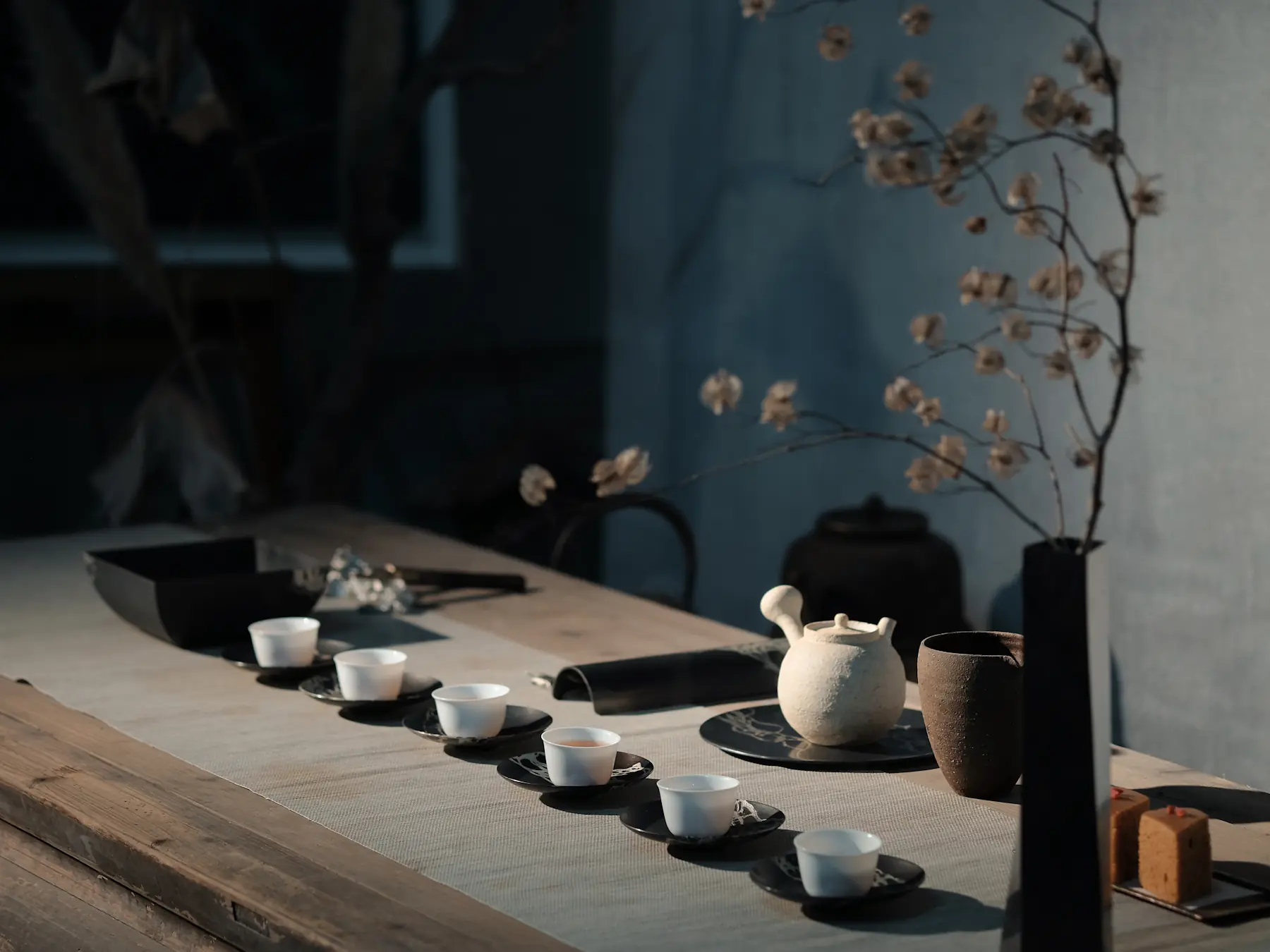
    My mind often feels like a busy room with too many conversations happening at once. To find a sense of calm, I have a simple ritual. I make a cup of tea, find a quiet corner, and put on a specific kind of music. It is a way for me to turn down the volume on my own thoughts and create a space just for myself, even if only for a little while. This practice has become an important part of my day.

    Recently, I found this playlist, and it has become the perfect soundtrack for these quiet moments. It is called “Japanese Garden,” but it is not what you might expect. The songs are from artists all over the world, not just Japan. What ties them together is a shared feeling. The music is gentle and has a sense of space that reminds me of the harmony and stillness I have felt in actual Japanese gardens. It is music that invites you to be still and listen.

    This is the kind of music that works as a companion to simple, focused activities. It is perfect for reading, sketching, or just sitting with a cup of tea. The experience reminds me of the quiet stillness of a tea ceremony I attended in Kyoto. The act of preparing tea is its own small ceremony, a moment to slow down and focus on the details. This music complements that feeling perfectly, adding another layer of calm without being distracting, helping to create a truly peaceful atmosphere.

    I wanted to share this collection of songs with you because it has been such a helpful discovery for me. It is a tool I use to find a bit of peace and clarity. If you are looking for something to help you focus, relax, or just find a quiet moment for reflection, I hope you will give it a listen. Press play and see if it helps you find your own peaceful space.

  • The art of creating genuine connection

    The art of creating genuine connection

    When we think back on our most cherished gatherings, what we remember is the feeling of being together. We recall the shared laughter, the easy conversations, and the simple joy of true connection. As a planner, my goal is to create the perfect conditions for these moments to happen naturally.

    A gathering is much more than a schedule and a guest list; it is a unique opportunity to bring people closer. Whether it is a corporate retreat or a personal celebration, the magic lies in making everyone feel seen, comfortable, and part of something special. It is about intentionally designing an experience that fosters warmth and genuine interaction.

    Make a thoughtful first impression

    The entire feeling of a gathering is established the moment your guests arrive. A warm and personal welcome can instantly make someone feel at ease. This can be as simple as having a friendly face to greet them, clear signage that guides them, or offering a welcome drink. These small gestures communicate care and set a relaxed tone right from the very beginning.

    Think about the initial flow of your gathering. Instead of having guests walk into a large, empty room, you should create a more intimate starting point. A designated welcome area with soft music and comfortable seating encourages people to settle in and begin mingling naturally. This gentle start helps ease any social anxiety and promotes a more relaxed atmosphere.

    Encourage organic interaction

    The best connections are never forced. Instead of relying on structured icebreakers, I prefer to build opportunities for interaction directly into the design of the gathering. This can be as simple as setting up a few lawn games for an outdoor party or placing a collaborative art piece in a central location for guests to contribute to.

    Shared experiences are also powerful tools for building connection. Consider interactive food or drink stations, like a make-your-own cocktail bar or a dessert decorating table. These elements provide a fun, shared activity that sparks conversation and gives guests a natural reason to engage with one another. They create small moments of discovery that can lead to more meaningful connections.